With the epicness of the NFL filled with entertaining games and loud fans, the stadiums are responsible for housing them. These giant structures contain lots of excitement during game days and offer a haven for same-team fans to come together.
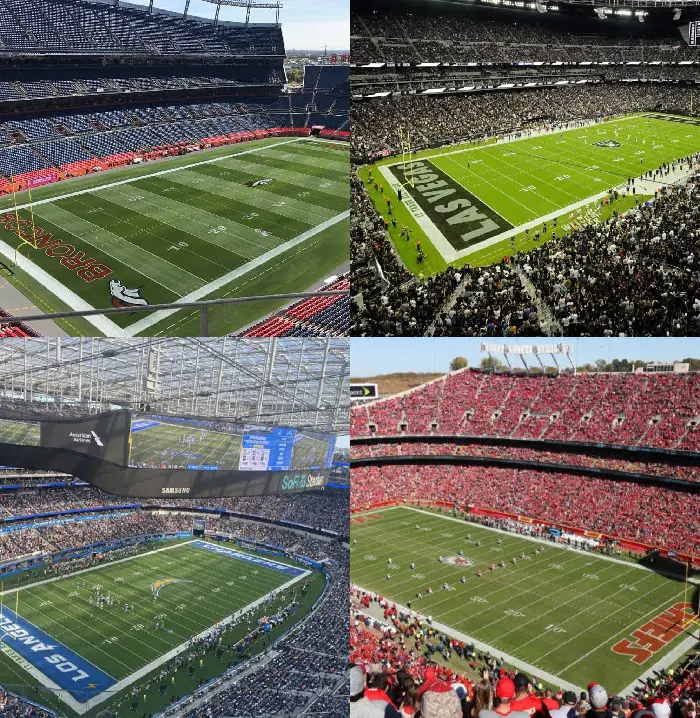
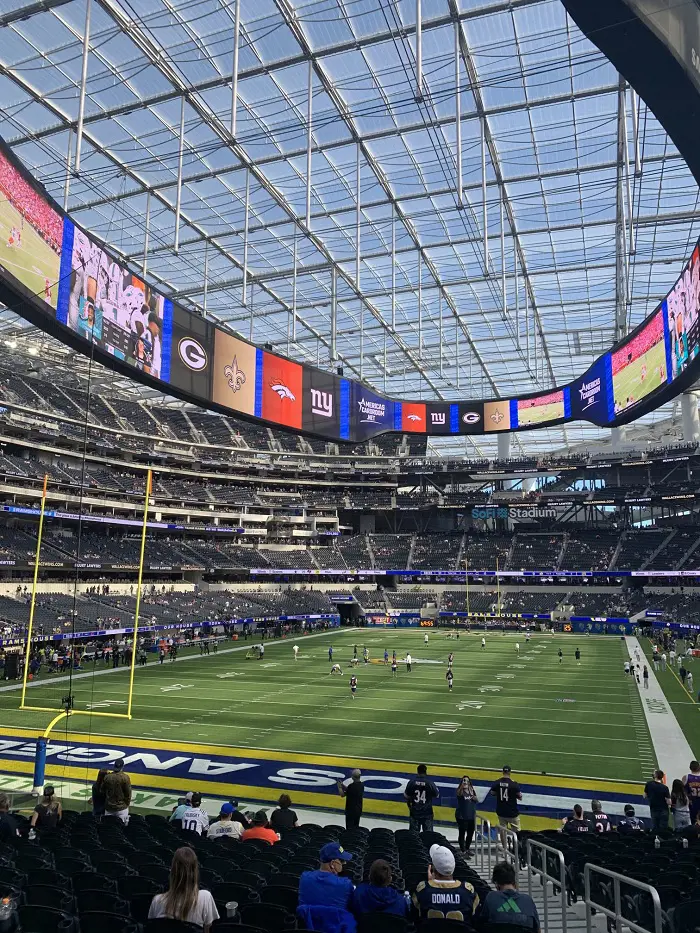
The League has 30 stadiums where one franchise plays their home fixtures. Only two teams play on a single venue: MetLife Stadium and the SoFi Stadium. SoFi is also the newest addition to the NFL, alongside the Allegiant stadium.
These splendor coliseums are costly and require millions of dollars for renovations and maintenance. NFL is a billion-dollar industry with growing popularity, so the need to take care of their stadiums grows even larger.
Moreover, the League earns a good amount of revenue from their playing venue through fast food chains and naming rights.
Fans often wonder how large these coliseums are. The first thing that comes to mind is the seating capacity, i.e. how many people can the venue hold comfortably.
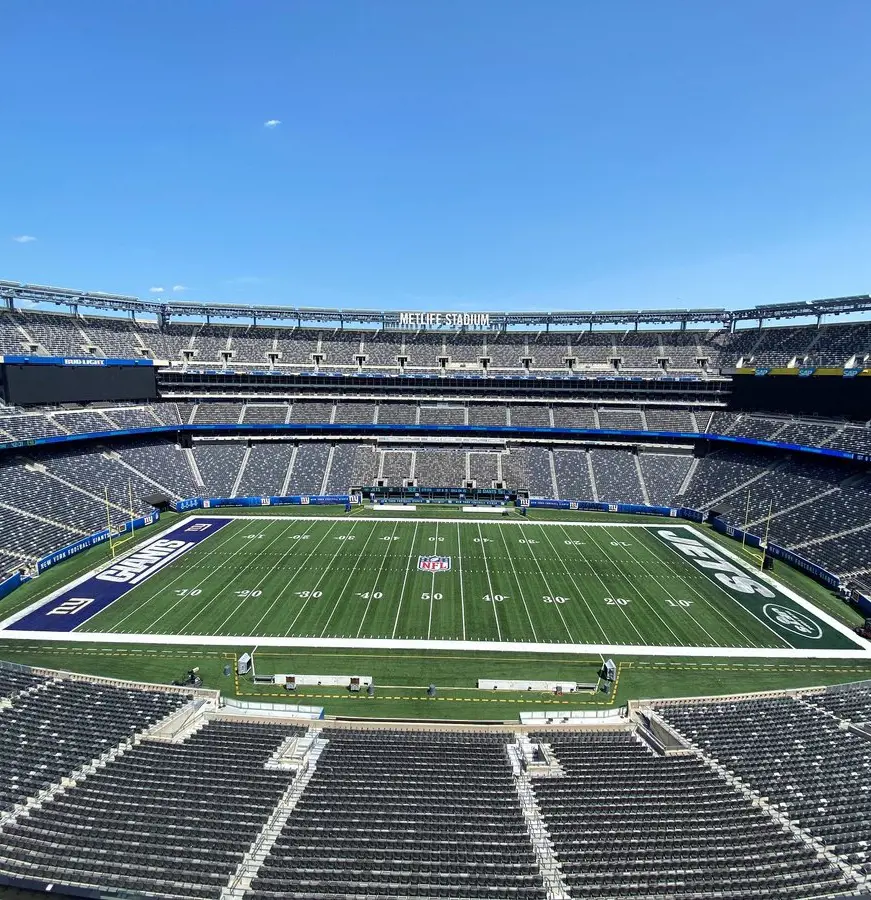
A $1.6 billion project, the Metlife Stadium is the largest NFL stadium by capacity. The venue made a record football attendance (83,367) when the Giants and Jets clashed on October 23, 2023.
The venue has been a go-to zone for WrestleMania and Summer Jam festival. Some 2026 FIFA World Cup matches will also be held here.
Metlife has hosted one Super Bowl, i.e. XLVIII. It became the first in League history to host an SB game despite being an open-roof venue.
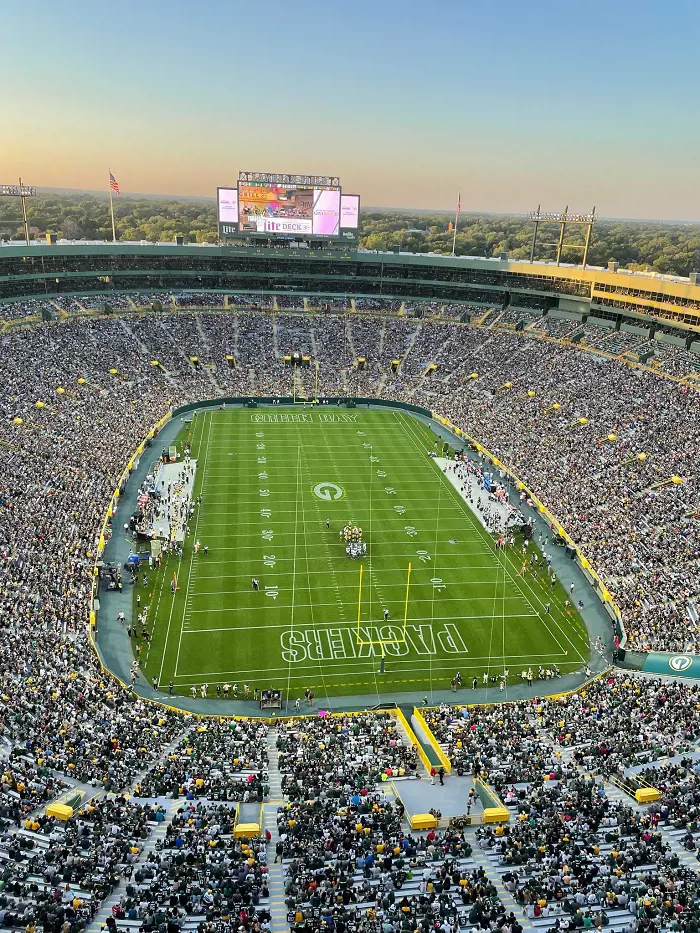
The Green Bay Packers broke ground for Lambeau Field in October 1956 after needing a replacement for the 25,000 seater City Stadium. Around $960,000 was invested at that time.
A $295 million renovation was done in 2003. Expansions have been done routinely and added premium seating, HD scoreboards, improved sound systems, and more.
Lambeau is the longest-running NFL stadium for more than 50 years. Since 1960, every game in the Lambeau Field has sold out on a season-ticket basis.
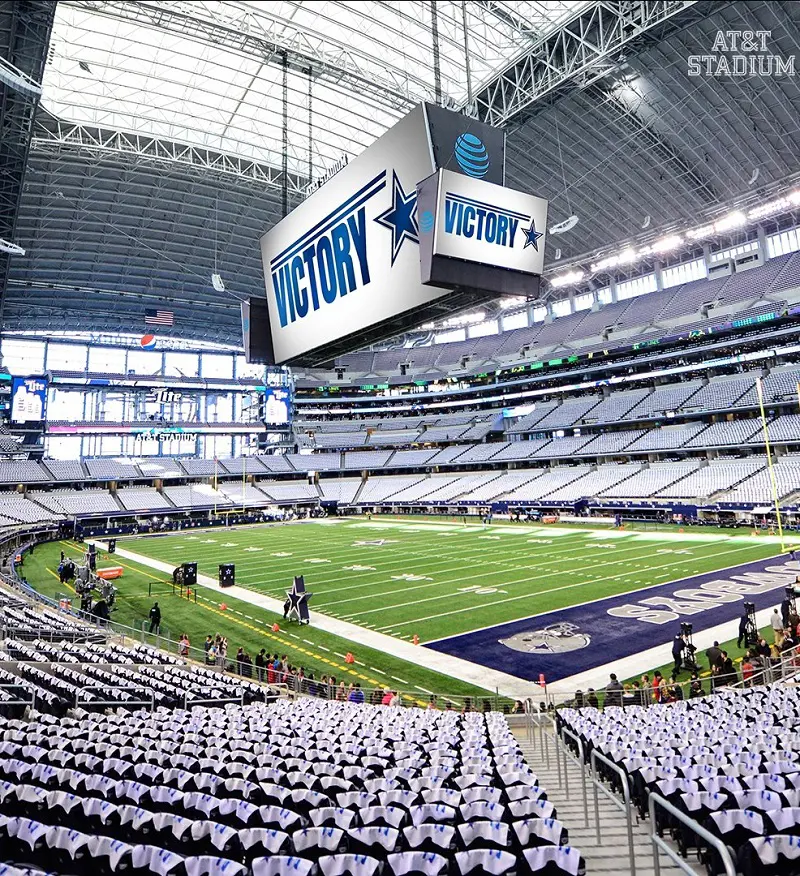
A newly completed venue for the Cowboys in 2009, the $1.3 billion investment replaced the former Texas Stadium. This new venue features a retractable roof.
One of the largest NFL stadiums, the AT&T; company brought their naming rights in June 2013.
The venue has hosted a plethora of important sports events like Wrestlemania and Super Bowl XLV. It is also one of the venues chosen for the 2026 FIFA World Cup.
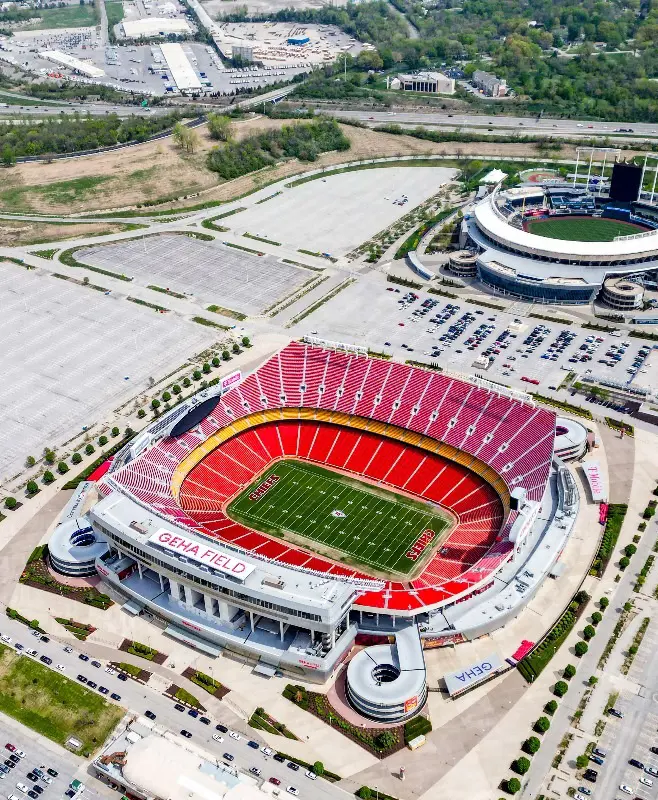
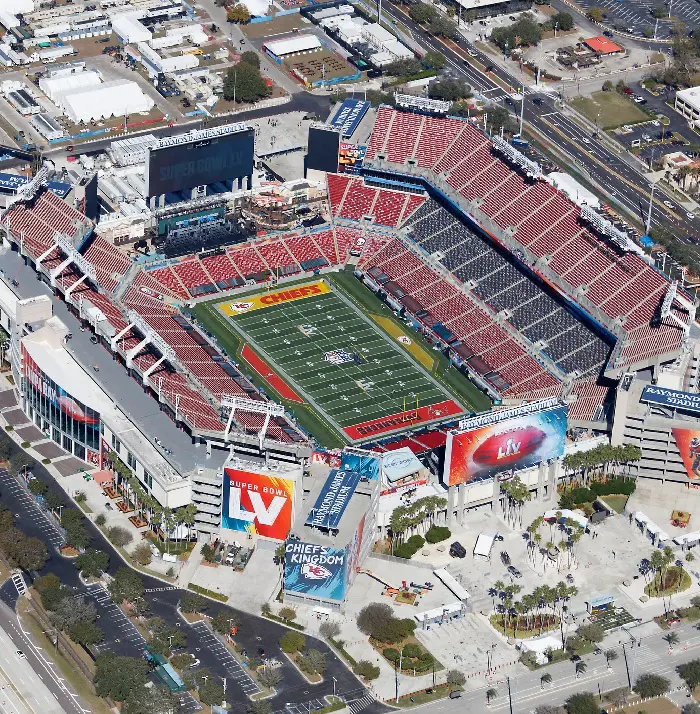
Opened in the 1972 season, the GEHA Field at Arrowhead Stadium is considered the loudest stadium in the League. The construction cost was $43 million.
Renovations happened multiple times, with added upgrades to the locker room, a new east-end video display, and replacement of lower-level seats.
Super Bowl XLIX was scheduled to be held here, but the funding for roof design didn't pass through. The venue will still be a site for the 2026 FIFA WC.
GEHA accumulated the naming rights to the venue in 2021.
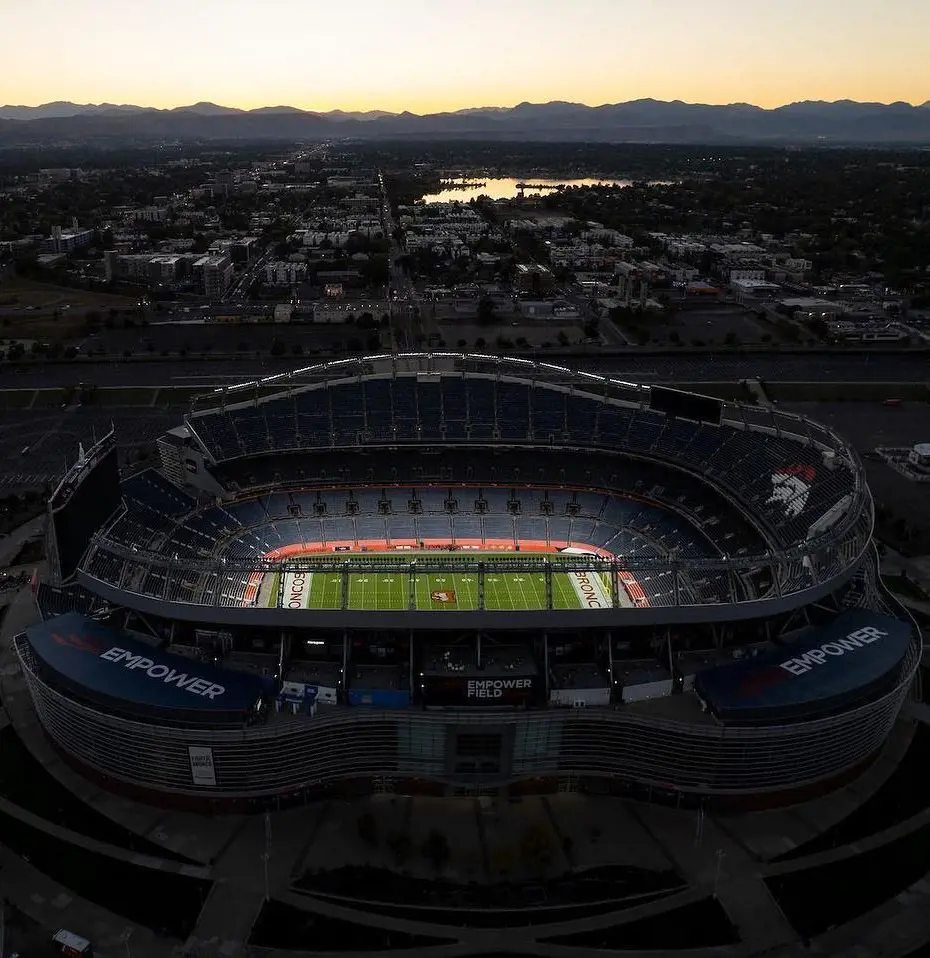
The Broncos broke ground for the Empower Field on August 17, 1999. With a cost of $400.9 million, the venue saw top architects like Fentress Architects and HNTB take the job.
The naming rights for the venue have been offered to Empower firm since September 2019. The former rights included Invesco and Sports Authority.
The Broncos Field has never hosted a Lombardi Trophy to date.
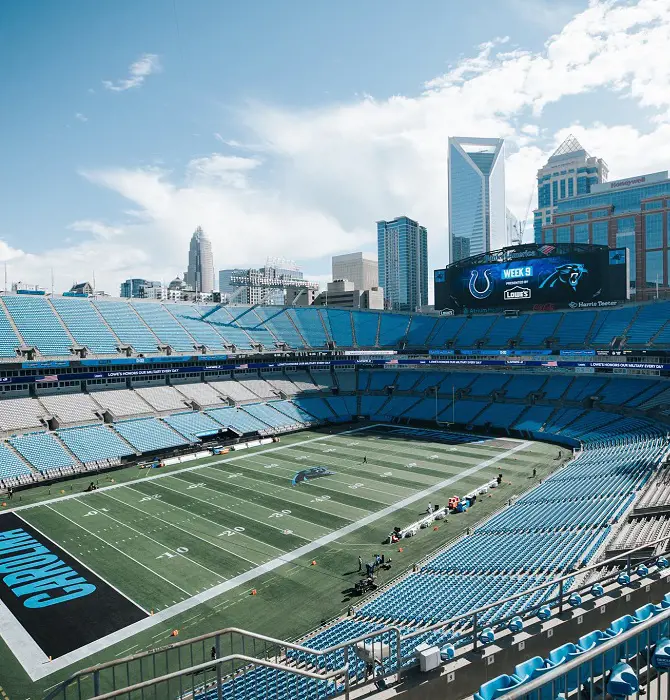
The Bank of America Stadium broke ground in April 1994 and has undergone many expansions and renovations in its lifetime. The towers at entry and massive arches are some of their unique features.
Renovations have covered HD video boards, LED lights, high-octave sound systems, and digital menu boards.
The Bank of America purchased the naming rights for 20 years in 2004. They have yet to host a Lombardi Trophy game.
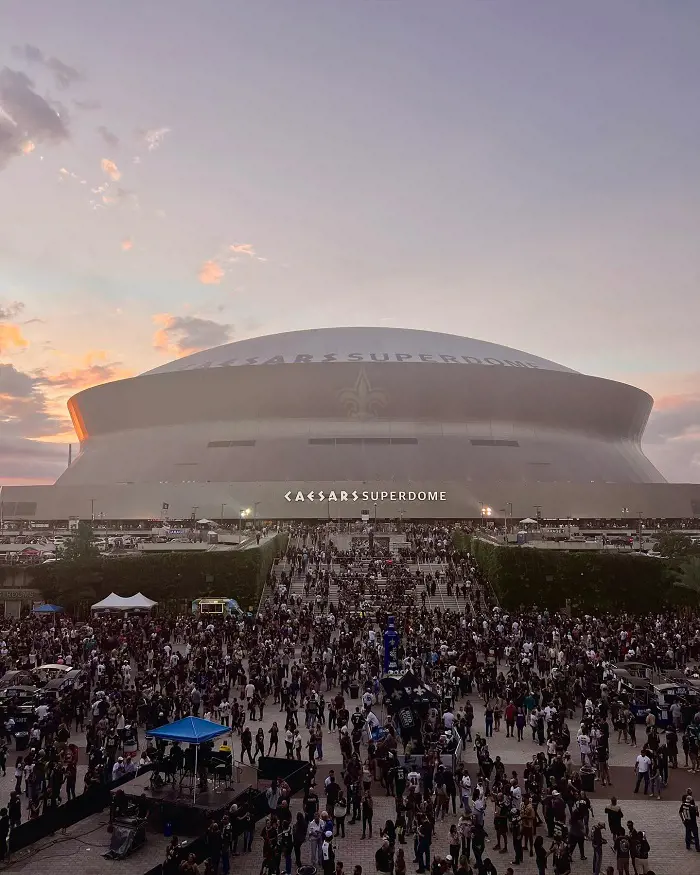
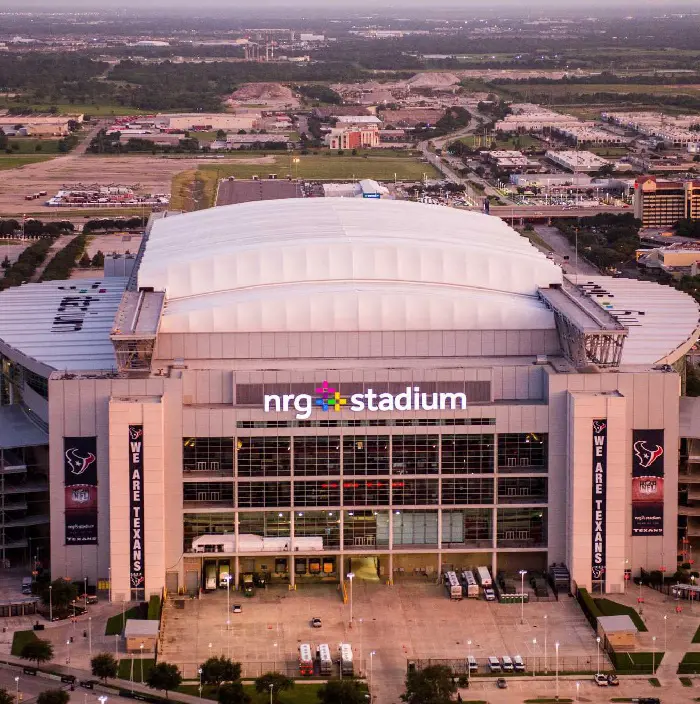
Breaking ground in August of 1971, the $134 million project has hosted the most Super Bowls out of any other NFL stadium. 7 Lombardi Trophy games have been played on its turf, with the most recent being XLVII.
The domed venue has been a go-to for many other important sports events like the CFB National Championship and Wrestlemania.
It also has a history of being one of the most secure public shelters for Hurricane Katrina.
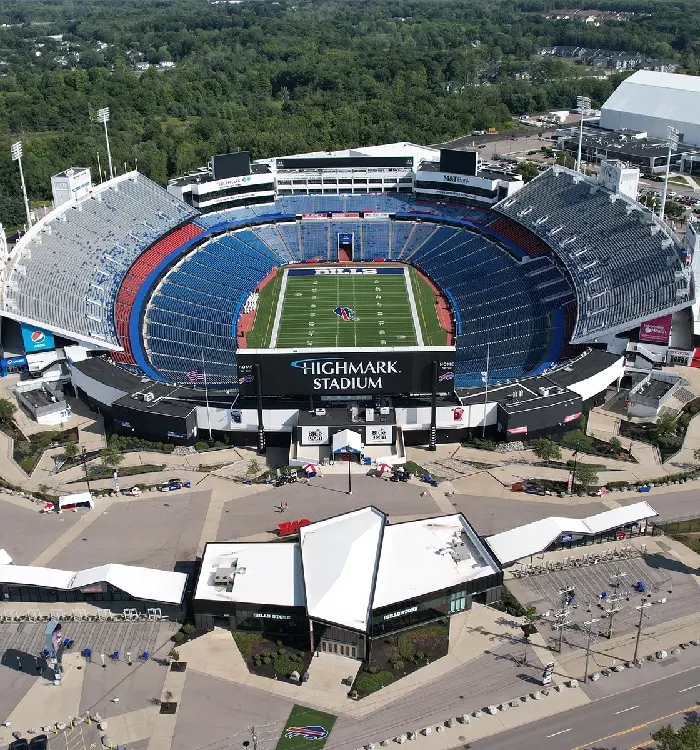
Highmark Stadium is a $22 million project that broke ground in April 1972. The venue’s naming rights were purchased by Highmark healthcare in March 2021.
The venue hosted its first playoff match in the 1988 season, but it has yet to host a Lombardi Trophy game on its turf.
A new 1.7 billion project is undergoing construction at the same location, which is slated to finish before the 2026 season commences. The seating capacity for this new Bills venue will be 62,000.
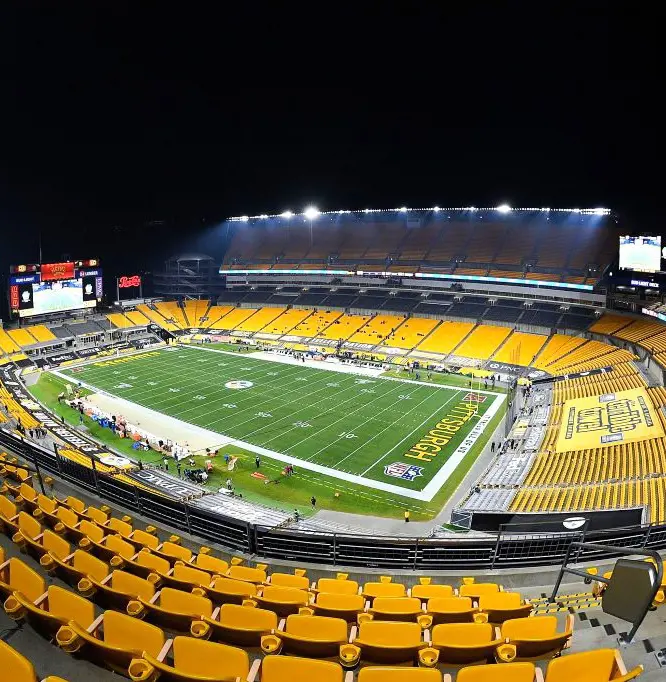
Designed by Populous Inc., this field has been the home turf for the Steelers since 2001. The investment for the venue was $281 million.
Acrisure purchased the naming rights in 2022. It was formerly known as Heinz Field.
The venue has not seen any Super Bowl-hosting activities since its establishment.
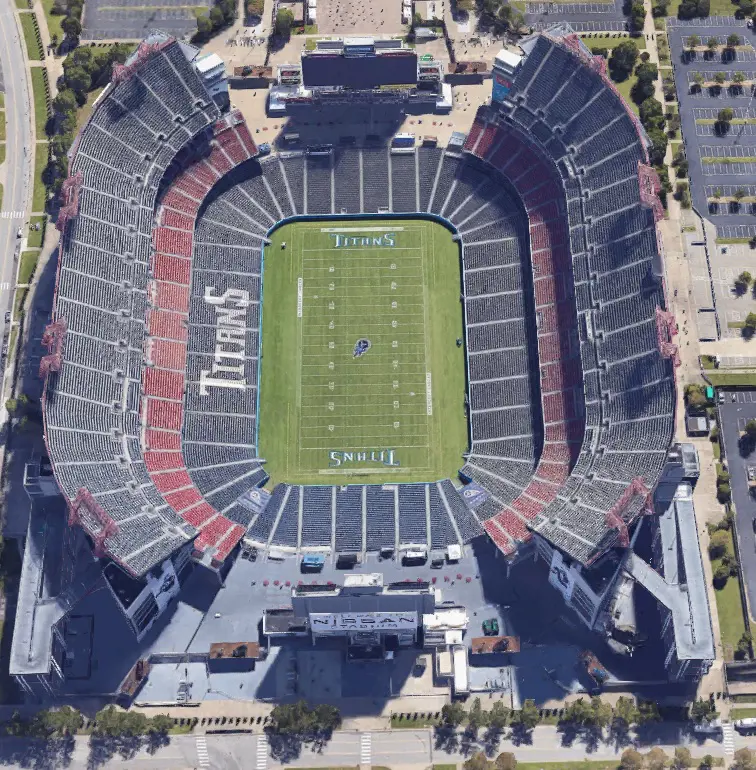
Moreover, the quickest score in NFL history occurred here. The Steelers scored a safety against the Titans in the 2013 season three seconds into the 1st quarter.
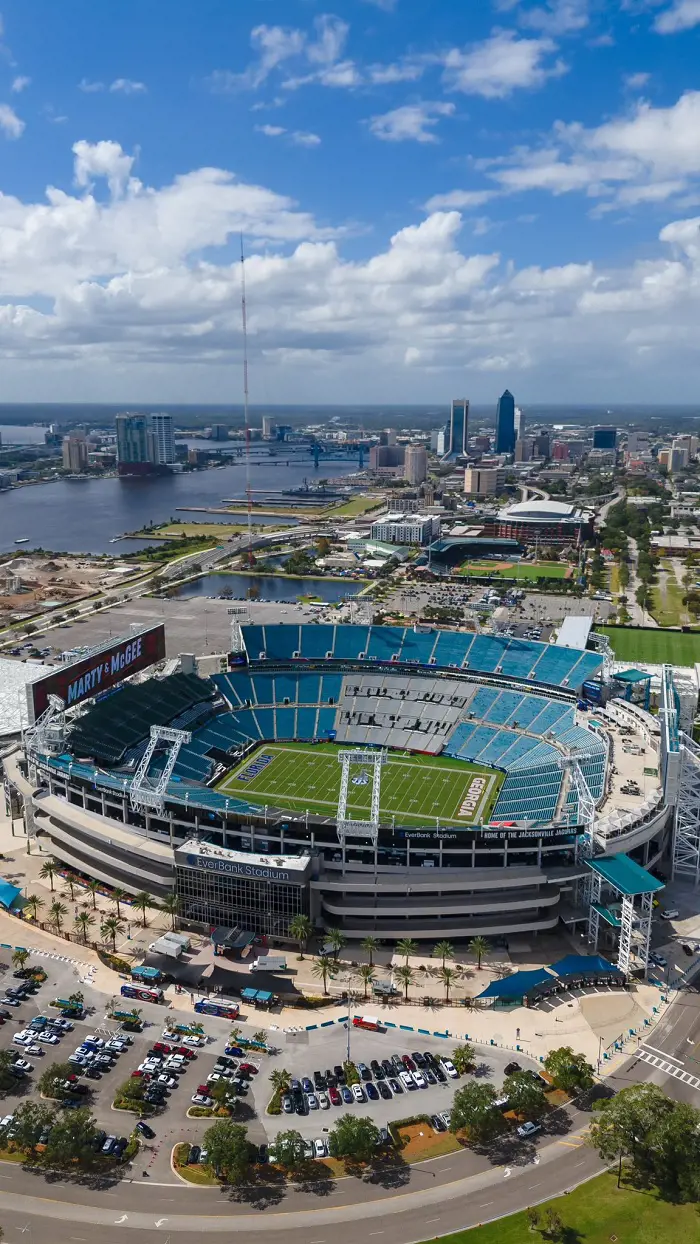
Formerly known as TIAA Bank Field, the Jaguars' home field opened to the team from the 1995 season. The estimated construction cost was $121 million (about $239 million in today's terms).
Only one Super Bowl has come to Jacksonville, i.e. in the 2004 season. It is also the home of AEW All Elite Wrestling.
EverBank firm purchased the name of the Field in the 2010 season.
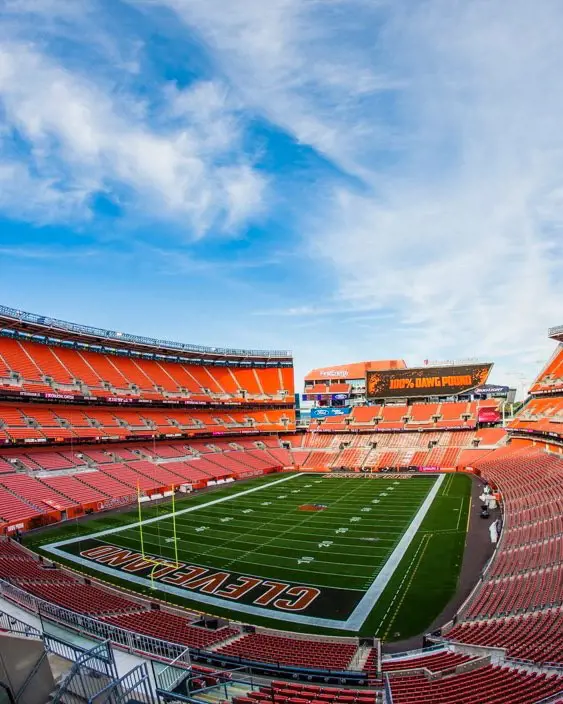
The Browns have played their home games in this venue since the 1999 season.
The construction cost for the venue was $283 million at that time. The owner decided to renovate it in 2013 which included new and improved scoreboards and audio systems.
FirstEnergy Corps had signed the naming rights in early 2013, but legal issues refrained the parties from continuing their relationship in 2023.
The Browns stadium is one of the two football venues that are yet to host a playoff game to date.
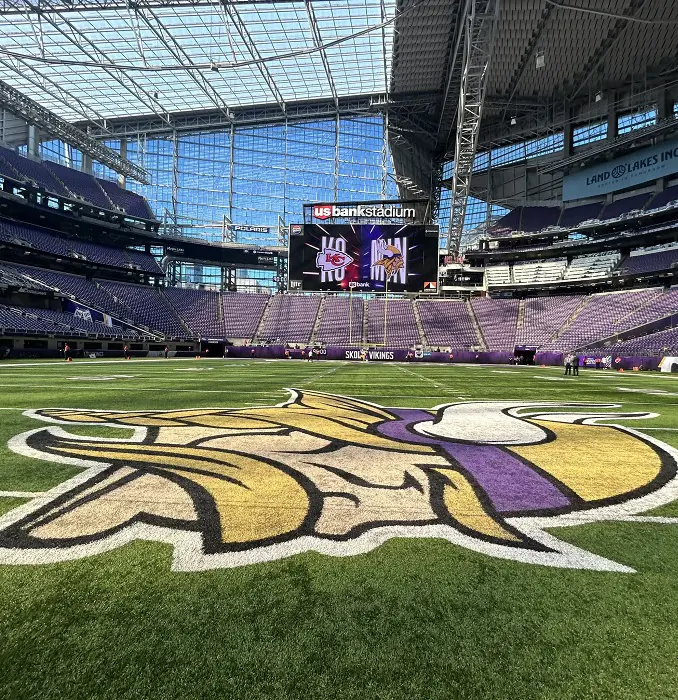
Dubbed as the best NFL venue by The Athletic organization in 2023, the Vikings home ground cost $1.061 billion for its formation. The venue contains a fixed roof.
The Vikings turf has hosted Super Bowl LII. In 2017, they became the first NFL venue to conduct the ESPN Summer X Games.
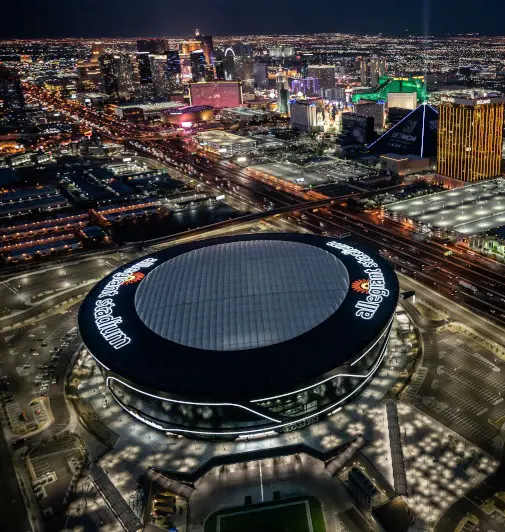
Allegiant Stadium is slated to host the 2024 Super Bowl. It is a new addition to the League after the Raiders relocated to Las Vegas in the 2020 season.
The venue has a construction estimation of $1.9 billion and is the second most expensive venue, behind SoFi.
The venue also serves as the home ground for NCAA's UNLV Rebels, Las Vegas Bowl, and Pac-12 Championship games.
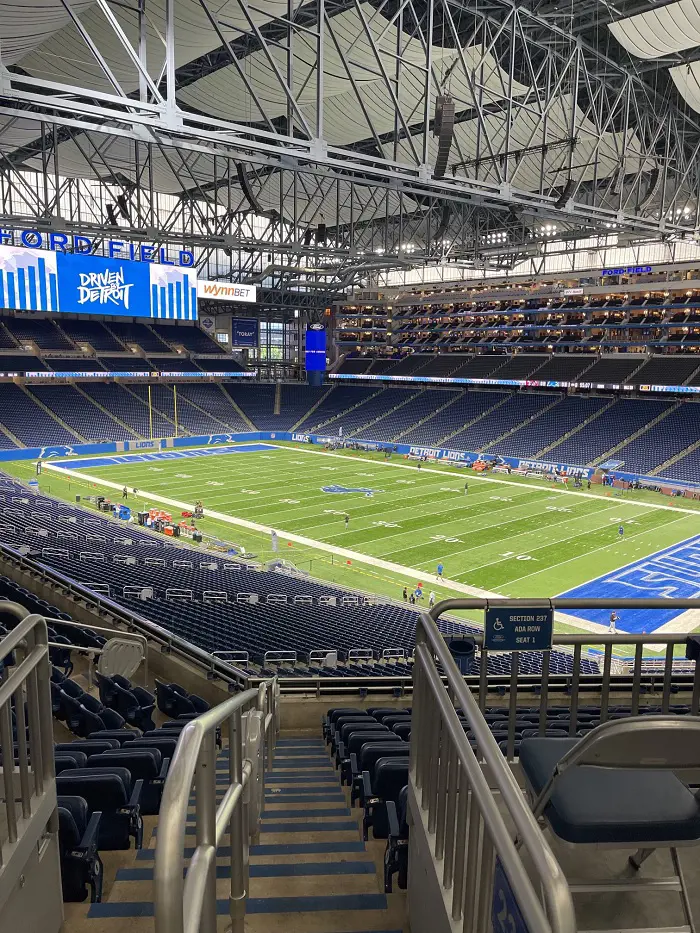
A $500 million project, the Lions Coliseum is home to the Detroit football team. The venue contains a fixed roof to protect visitors from Detroit's bad winter.
Ford Motors brought the naming rights, and the Ford Family has had an ownership stake in the franchise for over 60 years.
The Field has got the opportunity to host a Lombardi Trophy game, i.e. in XL.
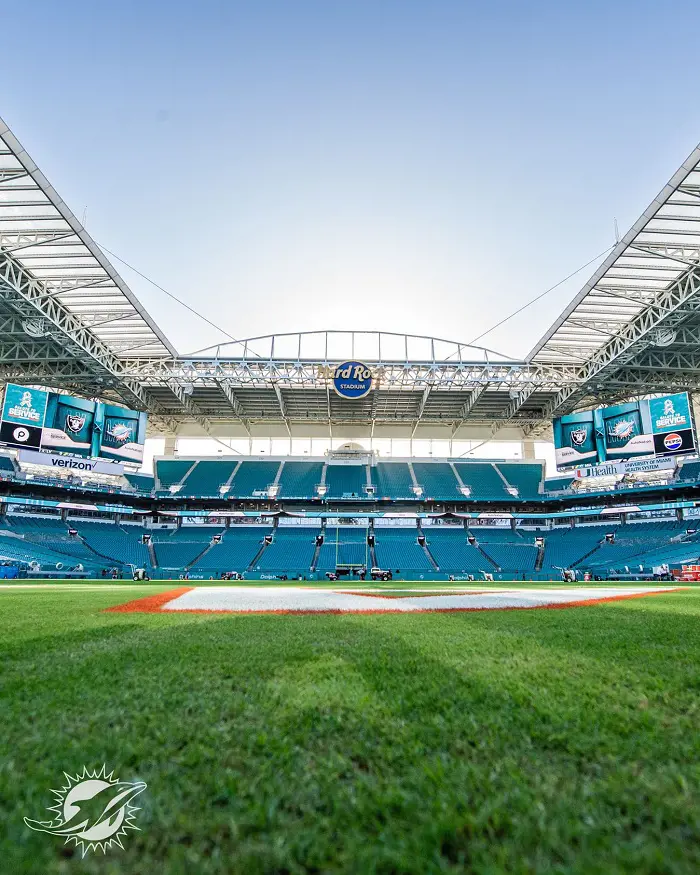
The Dolphins venue has hosted the second most Super Bowl games with 6. The $115 million venue has stood since 1987 and holds many other sports like the Formula 1 and Miami Open.
A large canopy is present at the top, which acts as a shade for many visitors.
The FIFA World Cup 2026 will also feature some of the fixtures in this venue.
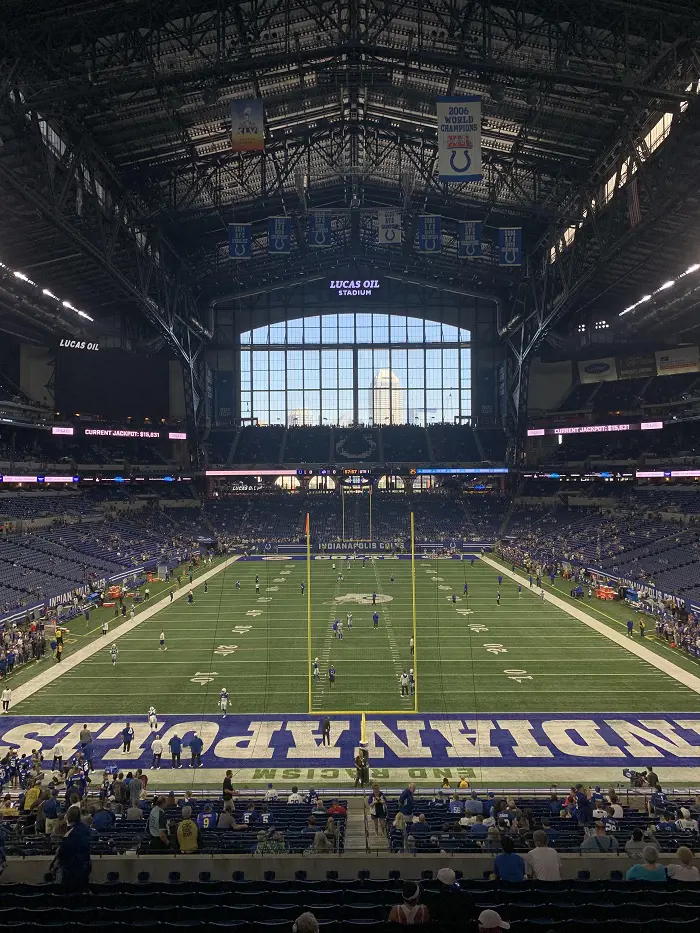
The Lucas Oil Stadium started its construction in 2005 and opened in the 2008 season. The project took a hefty $720 million spending. The venue features a retractable roof.
The Colts Field was the host for the Super Bowl XLVI. They have also periodically hosted the NCAA's Men's Basketball Final Four.
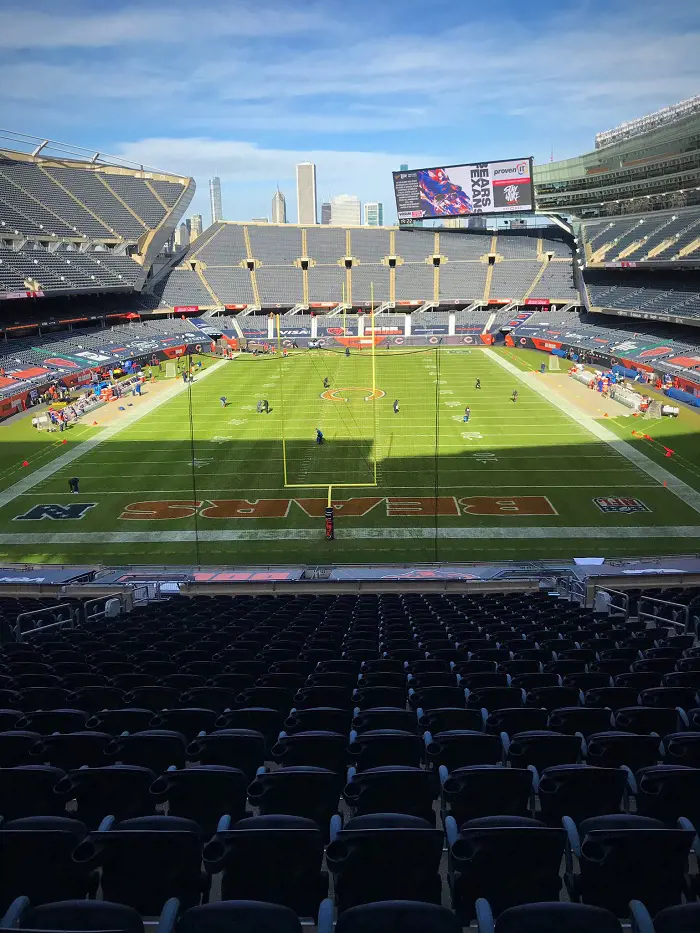
One of the oldest stadiums in the NFL today, the Soldier Field broke ground on August 11, 1922. The venue has become a long-standing site for football actions since the 1920s.
Construction for the venue took $13 million ($222 million in today's terms). The renovations took place from 2002 to 2003.
The Bears Field has never hosted a Super Bowl due to a lack of indoor settings.
The coliseum also became the first to receive the LEED status.
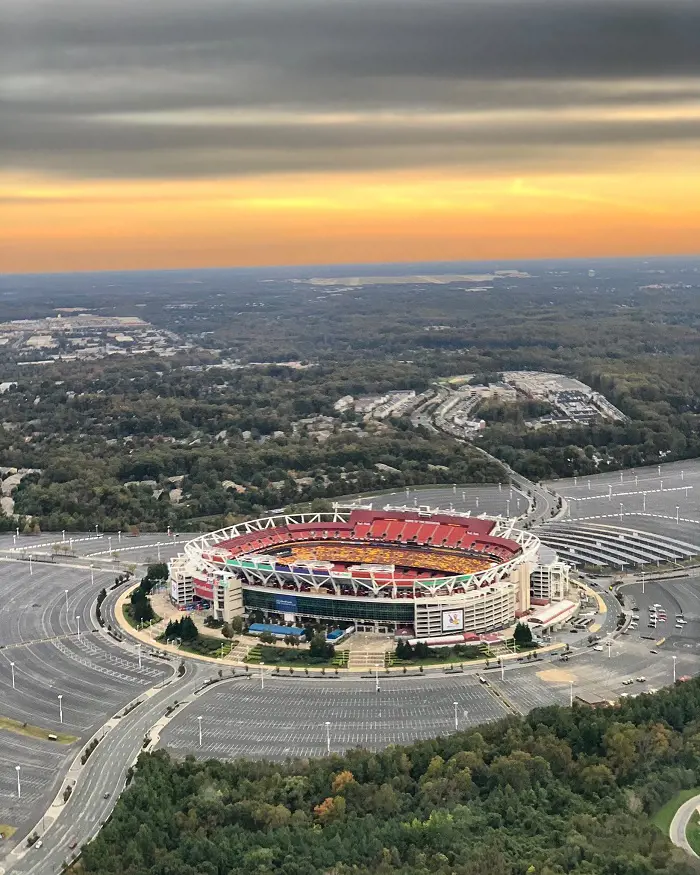
The $251 million Washington Football Field broke ground in 1996 and was completed a year later.
FedEx Corp accumulated the naming rights for a fee of $7.6 million / year in 1999.
In the early 2000s, the venue had the largest seating capacity of 91,000. But, since the 2010 season, the Field decreased by about 6000 seats. The seating capacity has consistently decreased since then.
A Lombardi Trophy match has yet to be conducted here.