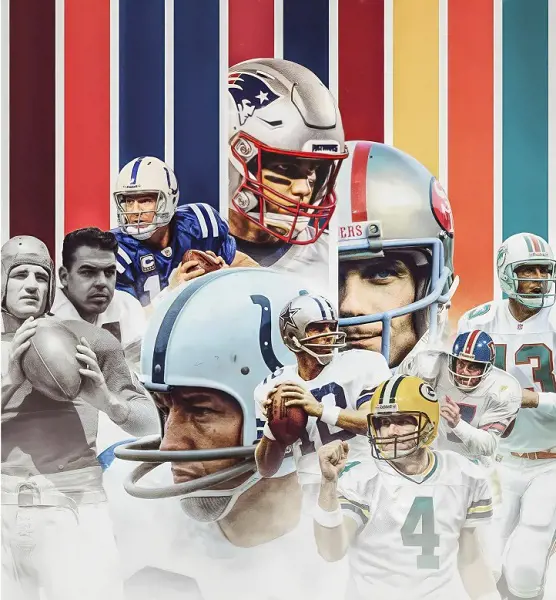
The quarterback position is the "most crucial position in American football," demanding physical prowess and mental sharpness. The field generals on the pitch direct the offense with their leadership and guide the team toward victory.
Their brilliance, agility, and arm power dictate the outcome of plays and can excite the audience.
The world of the NFL saw the arrival, rise, and downfall of many quarterbacks. Still, the most admired quarterbacks could plan intricate offensive plays, lead teams to victory under pressure, and create memorable moments beyond the game.
From the iconic spirals of Johny Unitas to the improvisation of Patrick Mahomes, the gridiron field has witnessed many unimaginable moments that have helped them carve their names forever in the football lore.
Stay with us as we unveil the top 20 signal callers who transcended reality and made millions love this beautiful game.
Eli Manning was called "The Iceman" for his calm demeanor. His ability to clutch victories from the hands of defeat and play without a hint of a worried look on his face made him a special player.
Completing 60.3% of his passes for 57,023 yards, and 366 touchdowns, Manning displayed consistency and reliability throughout his sixteen-year career. His 2011 NFL record for most post-season passing yards (1,219) still stands firm.
Additionally, Eli is the only quarterback who is 2-0 against Tom Brady in the Super Bowl. His two Vince Lombardi Trophy (XLII and XLVI) wins against the Patriots are the most decorated moments of his career.
The two Super Bowl MVP titles are the cherry on top.
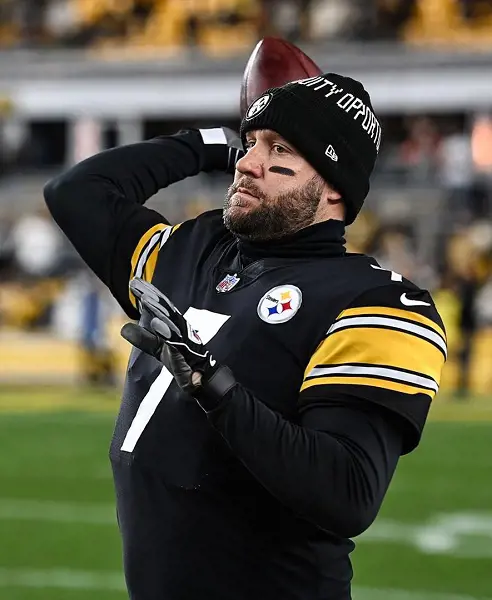
The "Big Ben" is the only other Pittsburgh Steelers signal caller who won the Super Bowl for them. Roethlisberger was the No. 11 pick from the 2004 draft class.
During his eighteen-year career with the Steelers, the two Super Bowl victories, six Pro Bowl appearances, and a plethora of franchise records cemented his name into Steeler lore.
Roethlisberger's career boasts impressive statistics: 64,088 passing yards, 418 passing touchdowns, and a 165-81-1 record as a starter. Beyond the numbers, his leadership in the huddle, his ability to improvise under duress, and his undying dedication to the game solidified his status as one of the most revered quarterbacks of his time.
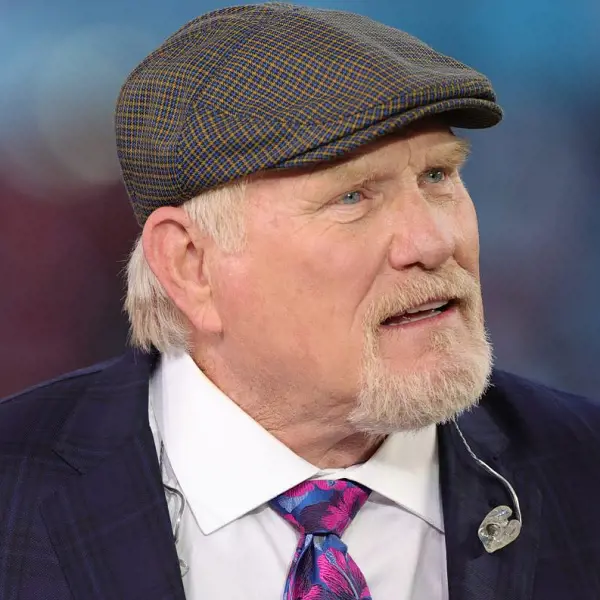
The No. 1 overall pick of the 1970 draft led the Pittsburgh Steelers to a dynasty. Head coach Chuck Noll turned his raw talent and strong arm into a formidable force.
During his career (1970-1983), the Steelers played eight AFC Central Championships and won four. All the times the team played the Super Bowl with Bradshaw as the QB, they won it all (SB IX, X, XIII, XIV). He was awarded the Super Bowl MVP in XIII and XIV.
The 1978 NFL MVP's stats do not have volume but those who witnessed his game know the competitive spirit, improvisational skill, and game awareness that helped the team become the most formidable team in the 1970s and 1980s.
Fran Tarkenton played in a less quarterback-favorable era but still managed to record 47,003 passing yards, 342 passing touchdowns, and 3,672 rushing yards while playing for the Minnesota Vikings and New York Giants.
His ability to escape pressure and extend plays with his legs revolutionized the position, paving the way for future dual-threat quarterbacks. It earned him the nickname "the scrambler."
Likewise, he came close to the Super Bowl trophy three times in 1974, 1975, and 1977, but left empty-handed. His illustrious career is a testament that greatness is not attached to titles.
Patrick Mahomes, the young gunslinger from Texas, is only 28 but has already made the list of the greatest quarterbacks of all time.
He has broken records, altered perceptions, and guided the Kansas City Chiefs to two Super Bowl victories in just five seasons. Unmatched in his ability to hurl laser-like passes across the field, extend plays with his mobility, and make off-balance throws.
The young prodigy has already amassed 27,639 passing yards, 215 passing touchdowns, an NFL Offensive Player of the Year award, two NFL MVPs, and two Super Bowl MVP titles.
The five-time Pro Bowler's ability to escape pressure and create plays outside the pocket, coupled with his unmatched precision and touch on deep throws, makes him a nightmare for opposing teams.
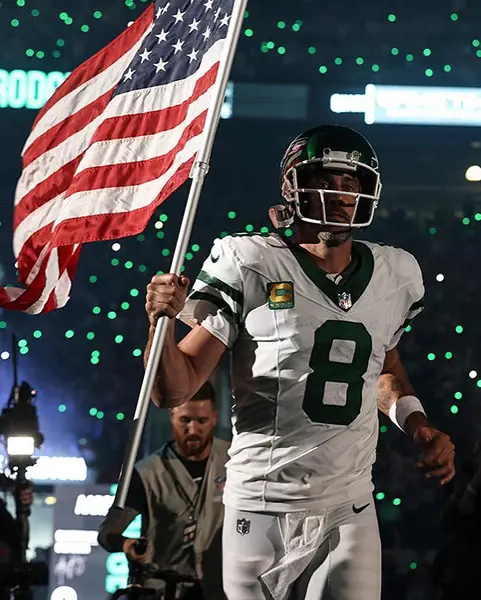
Aaron Rodgers carved his path to greatness with his precision passing, clutch plays and his unwavering determination to secure a win. Though his 475 passing touchdowns and 59,055 passing yards are impressive, it's his improvisational skill and accuracy that makes him stand out.
With his ability to move like a ghost through pressure, Rodgers can make razor-sharp throws while evading tackles or drop dime passes into gaps that look unimaginable. He is the creator of comebacks, the maestro of the Hail Mary, and the conductor of offensive symphonies.
Rodgers' skill set is as varied as his antics, which include his trademark "discount double pass" and a no-look flick across the field. While his legacy continues in his nineteenth year, one thing is certain: Aaron Rodgers is a magician with an arm of gold.
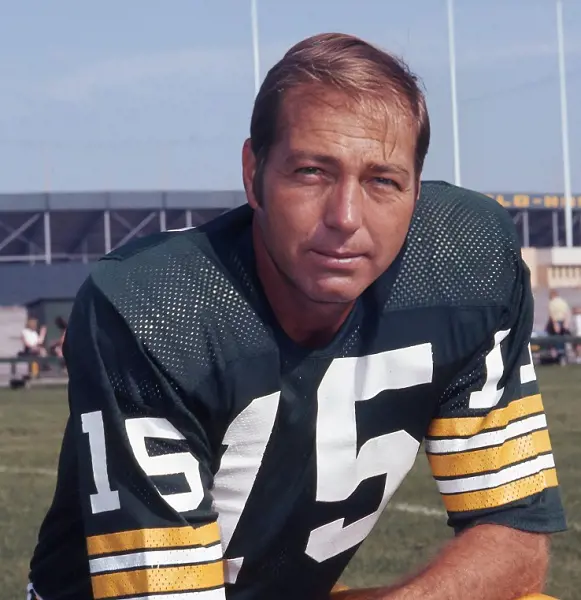
Bart Starr's steely demeanor and unwavering focus masked a fiery competitiveness, leading the Green Bay Packers to a golden era with five NFL championships and two Super Bowl victories.
His accolades such as the two Super Bowl MVPs, the 1966 NFL MVP, and four Pro Bowl invitations are all indicators of his greatness.
Though his 24,718 passing yards and 152 touchdowns may not leap off the stat sheet, his clutch performances in the biggest moments, like the legendary Ice Bowl (the 1967 NFL Championship match), solidified his legacy.
His standing as a true champion was cemented by his capacity to uplift his teammates under duress, plan game-winning drives, and maintain his composure in the face of difficulty.
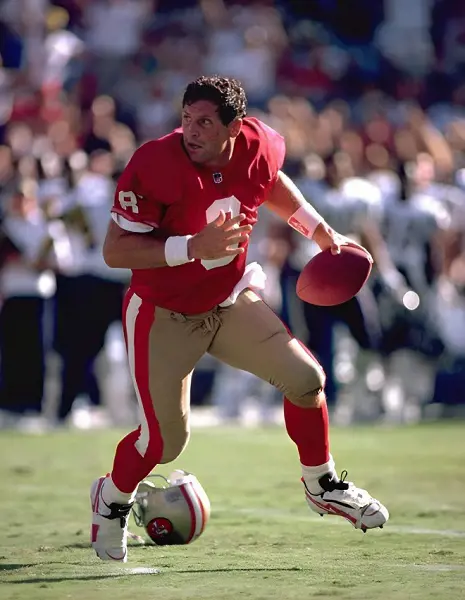
Steve Young's legacy is enriched by his dual-threat ability. He slithered past the defenders with dazzling speed and penetrated even the toughest and meanest defense with his laser throws.
A transition from USFL to the NFL saw the QB record 33,124 passing yards and 232 touchdowns after a decorated fifteen-year NFL career. His trophy cabinet includes three Super Bowl rings (XXIII, XXIV, and XXIX), one Super Bowl MVP award, two NFL MVPs, the 1992 NFL Offensive Player of the Year accolade, and many others.
The seven-time Pro Bowler's aptitude to find open receivers, escape pressure, and extend plays with his legs made him a nightmare to gameplan against.
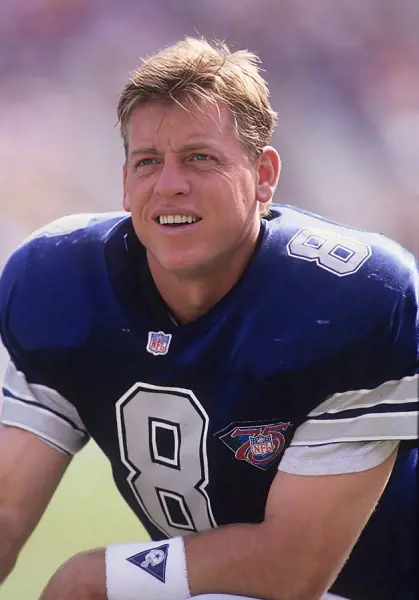
The foundation of Troy Aikman's legacy is not impressive statistics or game-changing throws. Rather, it's the tale of accuracy, grace, and a steely resolve that drove the Dallas Cowboys' 1990s dynasty.
Aikman's career stats of 32,942 passing yards and 165 touchdowns may not shout "dominance," but his influence on the game went beyond numbers. With the guidance of Tom Landry, he developed a winning culture and disciplined approach to leadership that helped the Cowboys win three Super Bowls in four years.
With his reputation whispering about championships rather than stats, Troy Aikman reminds us that quiet quarterbacks are frequently the most influential.
Sammy Baugh revolutionized the quarterback position, proving its potential as a true offensive weapon. His punting prowess cemented his legacy further, holding the NFL record for highest career average (45.1 yards) for decades.
His 21,886 career passing yards and 187 touchdowns pale in comparison to modern giants, but his impact on the game transcends mere statistics. He was a pioneer of the quarterback sweep, a play designed to utilize his running ability and his defensive prowess.
He was a dual-threat nightmare, equally proficient at hurling throws from the pocket or weaving through defenders with his gazelle-like speed.
Beyond victories and yards, Baugh's legacy is about transforming the game and opening the door for a new age of mobile quarterbacks.
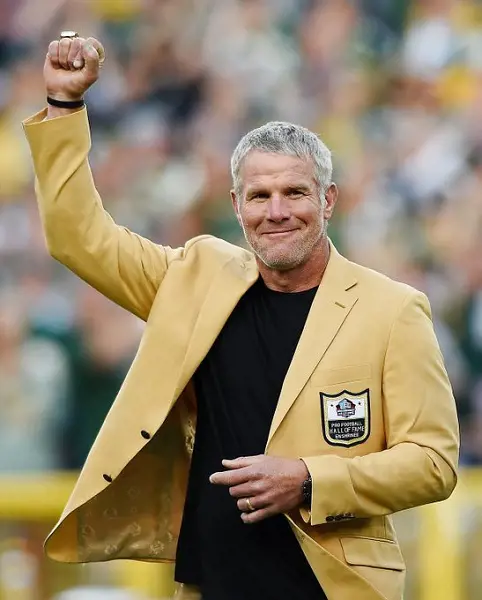
Brett Favre, the gunslinging ironman, was best known for his athleticism and gutsy throws. From improvisational wizardry to last-minute heroics, Favre's career was a roller coaster of emotions.
He led his teams to two Super Bowls and one Lombardi trophy while throwing for 71,838 yards and 508 touchdowns. His glory days with the Packers saw him enter nine Pro Bowl teams (total: 11), win the 1995 Offensive Player of the Year, and be awarded three consecutive NFL MVP titles from 1995 to 1997.
Favre wasn't just about titles and stats. His devotion to the game, infectious enthusiasm, and ability to inspire comebacks were legendary. His willingness to take risks, even if they sometimes resulted in interceptions (336, most all-time), made him a captivating figure.
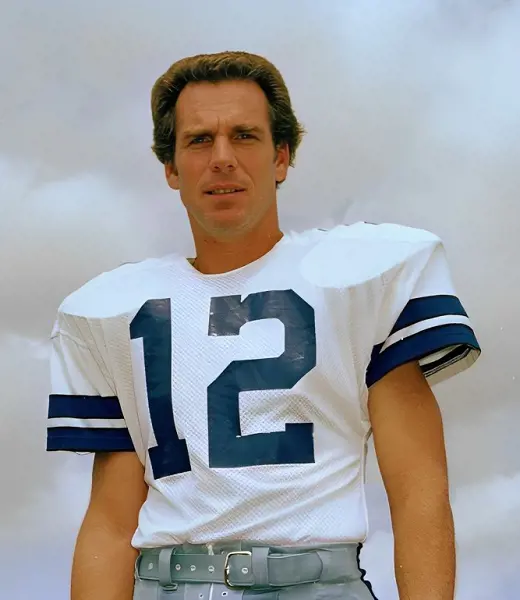
Staubach steered the Dallas Cowboys to four Vince Lombardi games, capturing two trophies. Staubach's stats, while respectable (22,700 passing yards, 153 touchdowns), don't fully capture his impact.
Staubach's mastery of the play-action, his ability to escape pressure, and his knack for clutch throws were what truly defined him.
The Cowboys won multiple games by coming from behind thanks to Roger's mastery at the critical moment. As a result of his smarts and never-give-up attitude, Staubach was dubbed "Captain Comeback," motivating his colleagues and compelling spectators.
His calm demeanor under duress, his tactical mindset, and his unwavering grit to victory situated his name among the greats of the game.
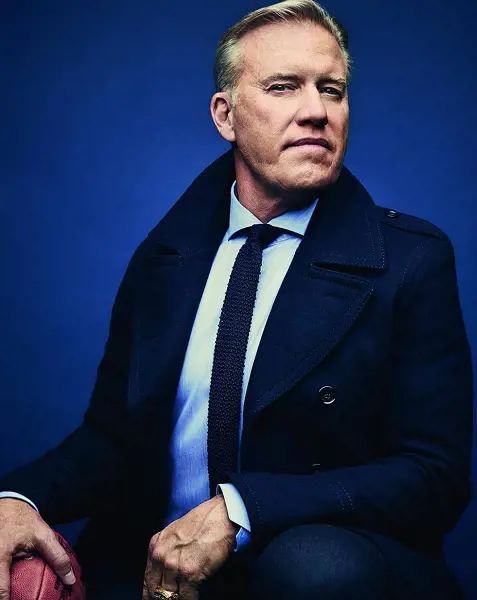
John Elway was the embodiment of the Denver Broncos team for sixteen seasons (1983 to 1998). He was a warrior, a leader who thrived under pressure and refused to concede defeat.
With a cannon for an arm and a competitive fire, Elway led the Broncos to five Super Bowl appearances, finally claiming two Lombardi trophies in the twilight of his career. His 51,475 passing yards and 300 touchdowns tell only part of the story.
Elway wasn't just a dominant passer; his rushing ability added a unique dimension to his game, amassing 3,407 career rushing yards and 33 rushing touchdowns.
The legacy of John Elway goes beyond his achievements on the field. He was an intense competitor, a devoted leader, and a role model to millions. He left behind a legacy of tenacity, glory, and two Lombardi trophies, embodying the essence of Denver.
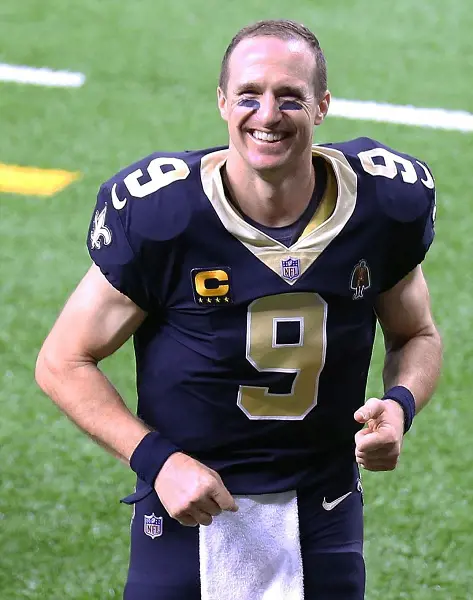
Drew Brees's legacy is remembered for his buttery-smooth release and laser-sharp focus. His pinpoint throws and surgical precision led him to 80,358 passing yards and 571 passing touchdowns, shattering records and silencing doubters.
Brees had a remarkable talent for reading defenses, taking advantage of zones, and making accurate passes that appeared to defy gravity.
Likewise, his leadership and unwavering optimism galvanized the New Orleans Saints and ignited the city's passion after the devastation of Hurricane Katrina.
From leading the New Orleans Saints to their first Super Bowl win to shattering NFL passing records, Brees defied expectations and carved his name into NFL history as one of the most prolific passers ever.
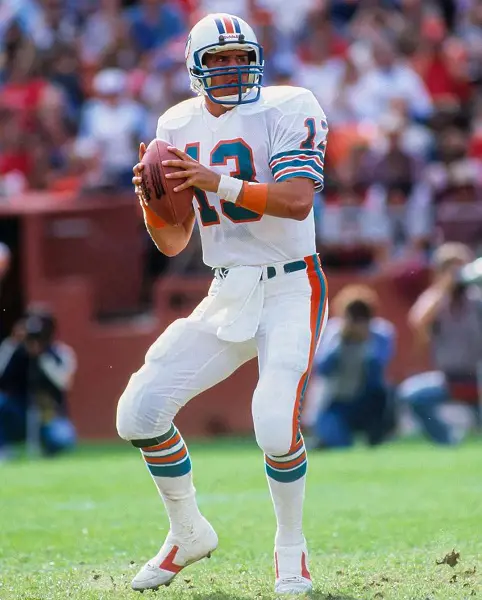
Fans were in admiration for Dan Marino's laser-like passes, which redefined passing yardage records. His arm was like a cannon and his air game mastery was second to none.
His 61,361 passing yards, 420 passing touchdowns, and unmatched accuracy (59.4% completion percentage) speak volumes of his dominance.
For Dolphins supporters, he was a delight to watch because of his famed accuracy and deep throws, which made him a nightmare for defenders. Still, Marino's career lacked the ultimate prize—a Super Bowl ring—despite his exceptional brilliance.
He is among the great QBs who never experienced the Super Bowl glory. Despite that, he led Miami to numerous AFC Championship appearances and impressed everyone with his skills.
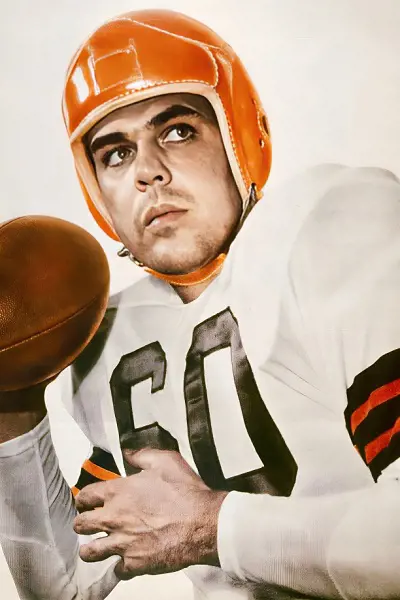
Graham made history as a player in the AAFC prior to the merger, guiding the Cleveland Browns to four consecutive championship victories and racking up an incredible 92-17-3 record as a starter.
In several seasons, Graham completed more than 60% of his passes, and he had the greatest passer rating of any NFL season (112.1 in 1946), making him the embodiment of reliability and efficiency.
His ability to read defenses and make pinpoint throws, often to his iconic receiver Dante Lavelli, made him a nightmare for opposing teams.
Graham had an indisputable influence on the game, even if the AAFC eventually merged with the NFL. By demonstrating that accuracy and leadership can flourish in any period, he cleared the path for future greats like Joe Namath and Johnny Unitas.
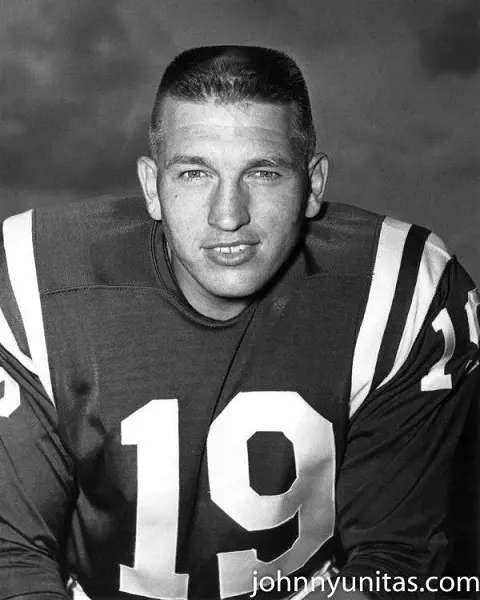
Johnny Unitas rose from obscurity to become one of the most iconic quarterbacks in NFL history. From being the 102nd draft pick in 1955 and ending the year at the practice squad to winning Super Bowl V, his journey is a true underdog story.
He amassed 40,239 passing yards, 290 passing touchdowns, and a 118-65-3 record as a starter. Likewise, he got ten Pro Boel invitations and was named the NFL MVP in 1959, 1964, and 1967.
Apart from the numbers, his contribution is immeasurable. He transformed the game with his strong arm and pinpoint accuracy, leading the Baltimore Colts to three NFL championships and an era of offensive dominance. It earned him the nickname"The Golden Arm."
Honoring his contribution to the game, the Johny Unitas Golden Arm Award has been handed to the most prolific signal-caller in college football since 1987.
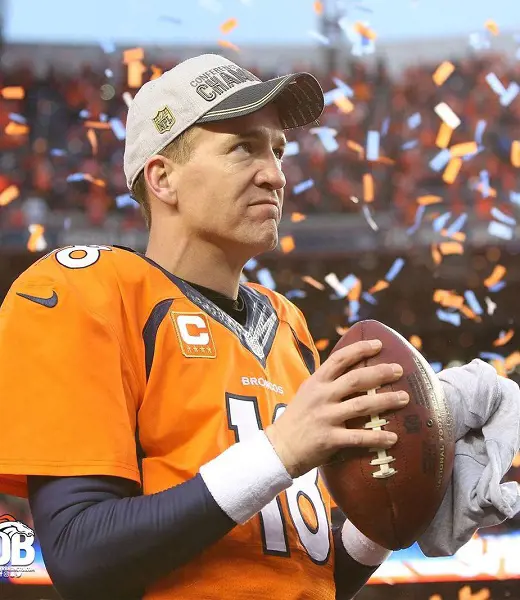
Throughout his 18-season career, Manning showed unmatched football intelligence and extraordinary consistency. He was an intellectual powerhouse with a laser-like focus who led offense with precision and finesse.
His proficiency with audibles and pre-snap reads enabled him to take advantage of any defensive chink, thus changing the quarterback position on the field into a game of chess.
Manning's career statistics are a testament to his dominance: 71,940 passing yards, 539 passing touchdowns, and two Super Bowl victories.
Beyond the numbers, Manning had a special leadership characteristic that made his teammates believe in him and held him to a high standard of performance. His game knowledge and ability to read defenses made him a very excellent quarterback, even though his mobility and agility may not have been the best.
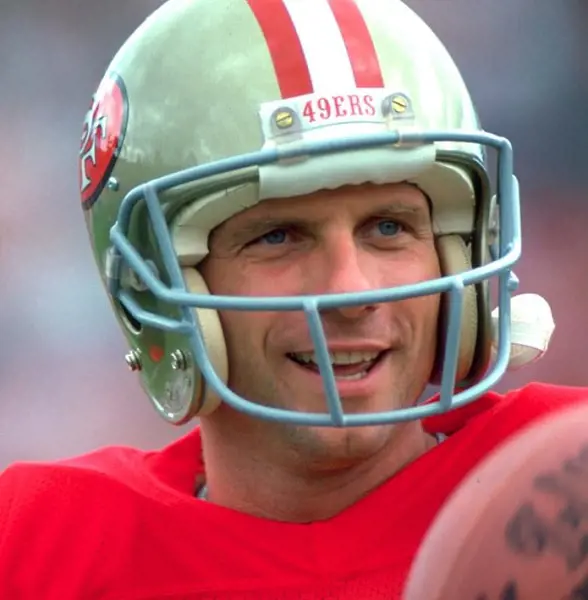
Joe Montana got the nickname "Joe Cool" for his unwavering composure during dire moments. He was also referred to as the "Comeback Kid" for his legendary clutch performances.
His NFL career cannot be summed up by his 40,551 passing yards and 273 passing touchdowns. You need to add the two NFL MVPs, four Super Bowls (XVI, XIX, XXIII, and XXIV), and three SB MVP awards to define his greatness.
Beyond the accolades, Montana's legacy lies in his unshakable belief in his teammates and his ability to inspire them to greatness.
Before Brady's era, Montana was considered the GOAT of the game. His calm demeanor under pressure, his pinpoint accuracy, and his unwavering belief in himself and his teammates made him a leader who inspired a generation of quarterbacks.
Tom Brady is the undisputed GOAT and the living legend. The staggering 105,653 passing yards and 758 touchdowns surpasses everyone.
Who would've thought that the 199th pick of the 2000 draft would be the most decorated NFL player of all time and put his name above everyone else? The seven Super Bowls, five Super Bowl MVPs, three NFL MVPs, two NFL Offensive Player of the Year, fifteen Pro Bowls, and numerous records are evidence of his longevity and determination towards the game.
Brady's impact on the game transcends mere statistics and trophy count. His journey is an inspiration to generations of players and fans.