Football Facemasks Types
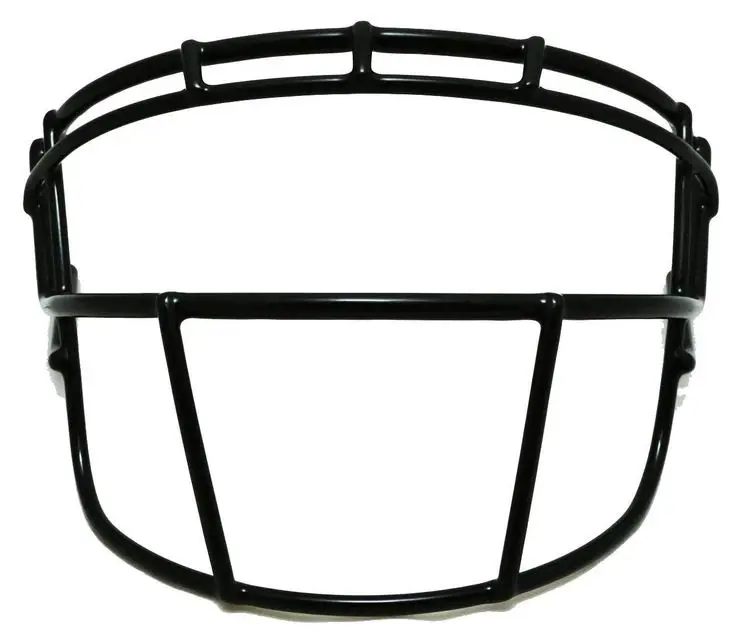
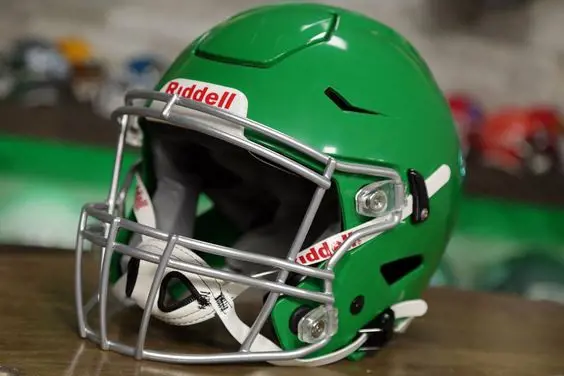
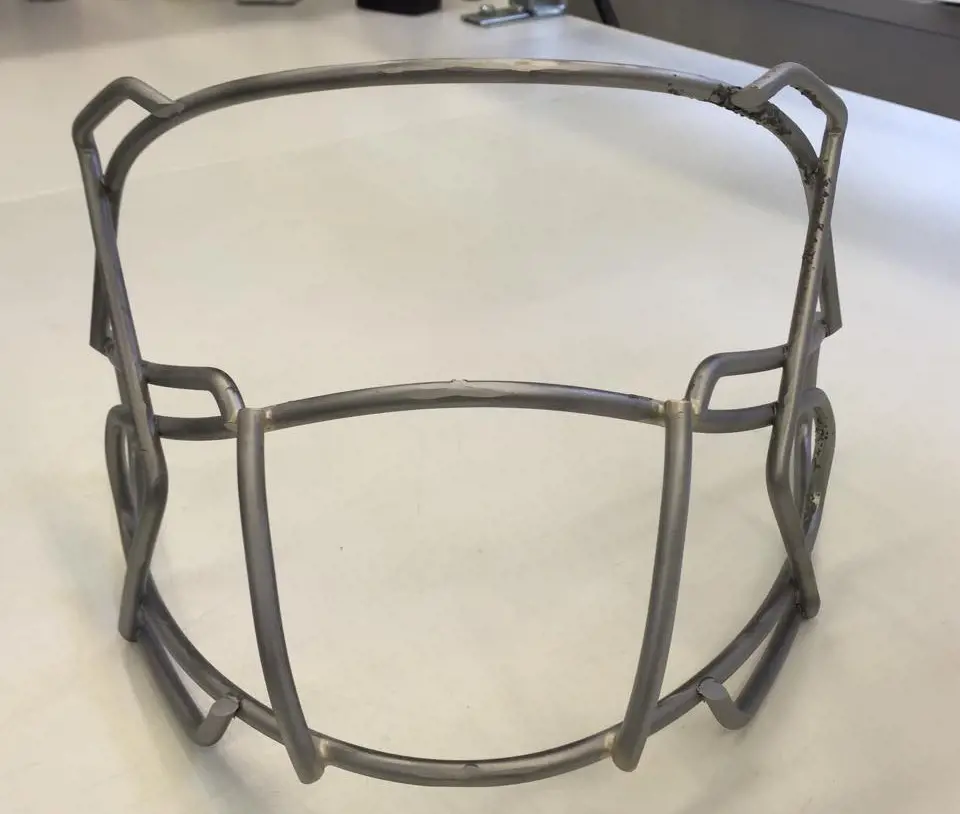
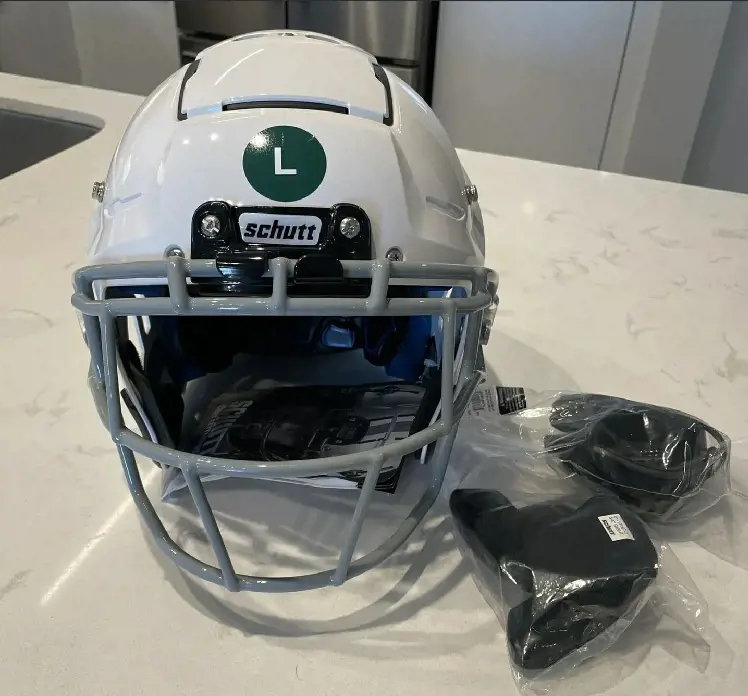
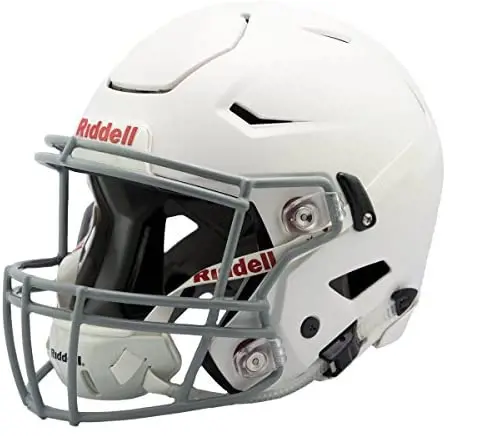
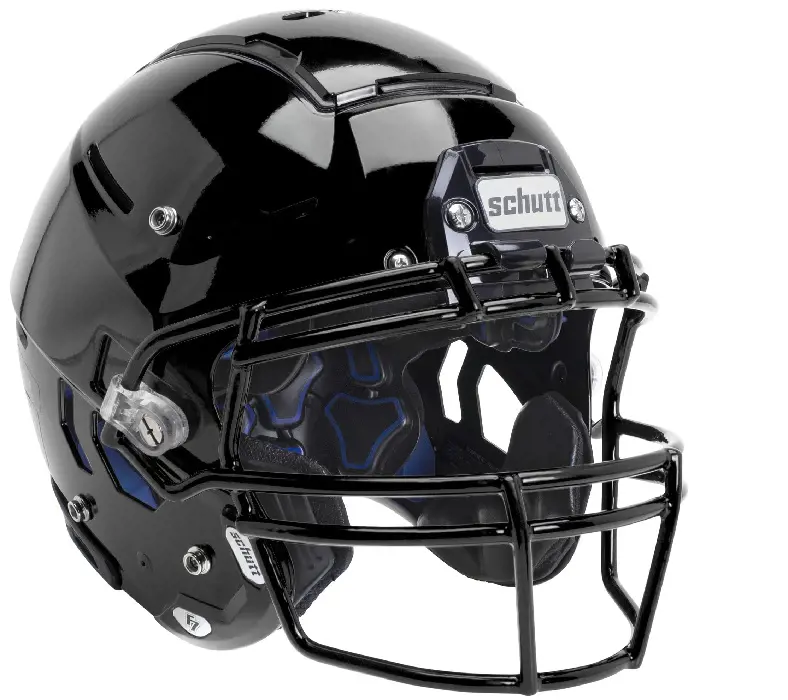
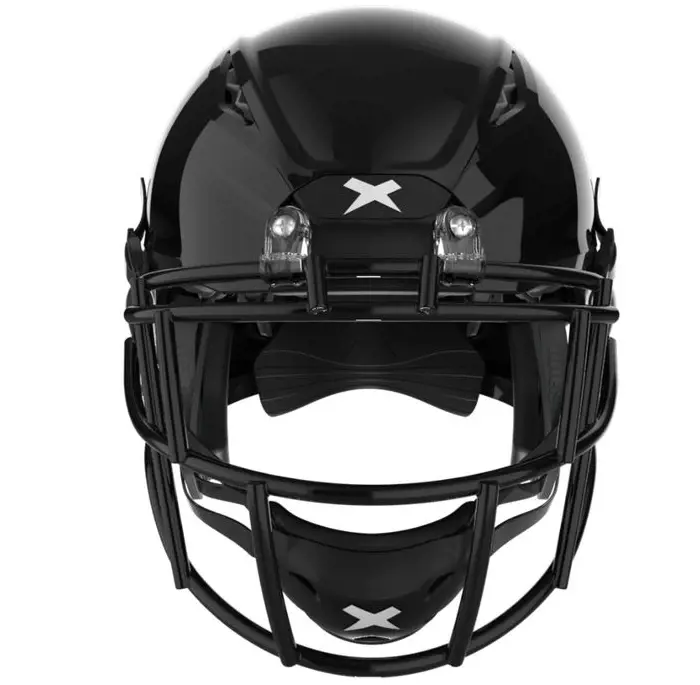
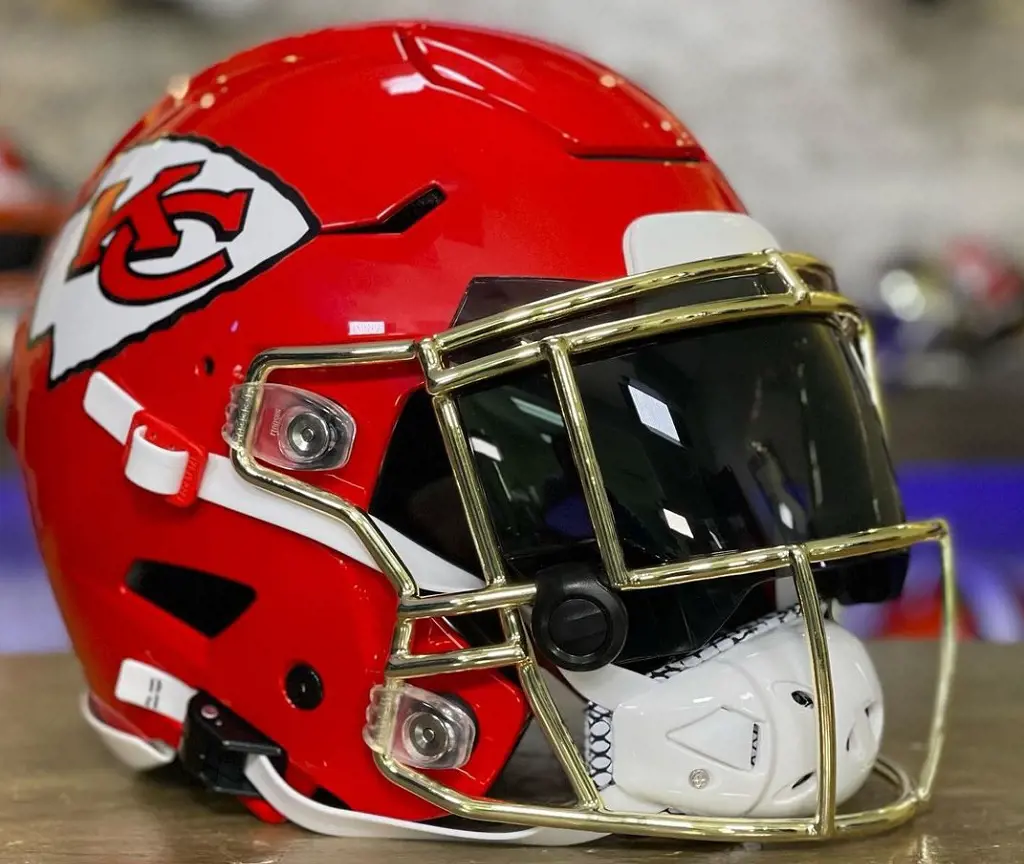
Football facemasks types are divided into three categories: materials, cages, and visors.
Material
If you get a facemask, it can be made up of three materials: carbon steel, stainless steel, and titanium.
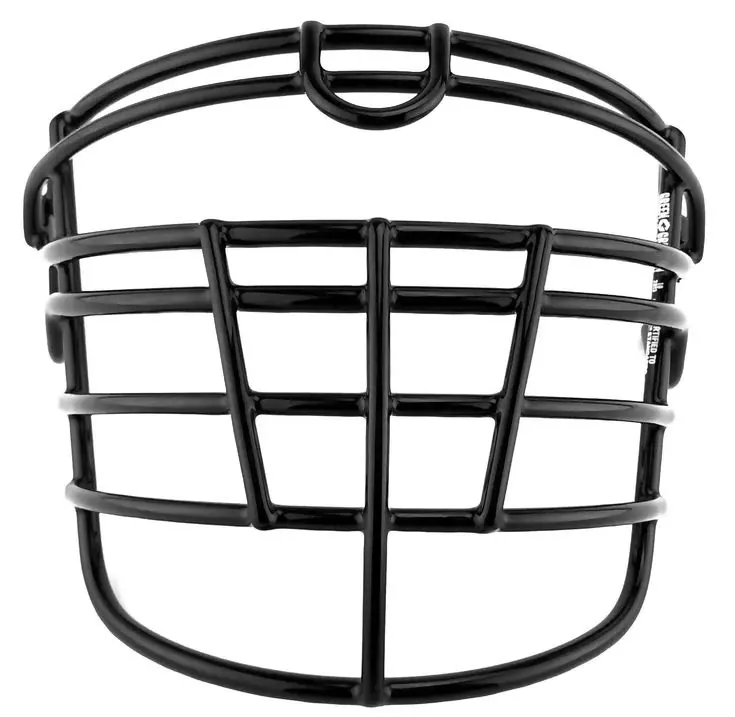
Carbon steel is the heaviest of the three and will also be the least expensive one. They will have good but less durability compared to the other two.
The Stainless Steel facemask is moderate in weight of the three materials. They will also be comparatively less expensive than titanium but is costlier than carbon steel. Its durability also sits in the middle of the three.
This facemask type can be considered the balanced type for an average person looking to invest in their football interest.
The titanium facemask is the lightest of the three and is also the most expensive. However, its high cost comes due to the great durability it offers.
Cage
There are two facemask types that players can choose to play with: closed cage and open cage.

A closed-cage facemask features the face area being protected, especially the eyes and oral portion. This type will offer maximum protection to its user but compromise the field of vision.
The close-cage mask is recommended for players who constantly deal with tackles and blocking, like the full-bak, linebacker, and defensive and offensive linesmen.
The open cage facemask will be around the eye area to maximize the field of vision. Protection will be less than the closed-cage one but will offer more room to be aware of the players on the field.
This open cage facemask is recommended for players who pass and receive the ball, like the Quarterback, Wide receivers, and Kickers.
Visors
Another type of face mask is categorized based on whether the players utilize visors on their facemask.
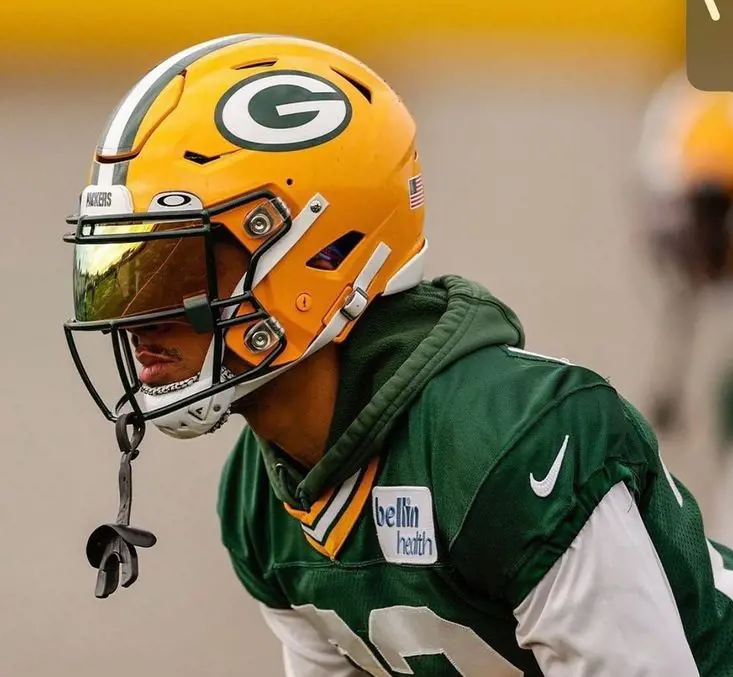
Incorporating the visor in your facemask is not compulsory, but some players prefer to use them.
The purpose of the visors is to protect your eyes from direct sunlight and dust particles.
Visors can be clear or tinted. Both will offer protection. The clear one can be used to play both day and night, whereas the tinted one will be good to use during the daytime only.
The tinted visor also offers another advantage, i.e., the opponent cannot see your eyes, which can help disguise your plans. For instance, a defender will have difficulty locating who the tinted-visored QB is seeking to pass the ball to since they cannot follow his eyes.