Quick Learn

NFL Free Kick And Fair Catch Rule

By Roshni Budathoki / April 24, 2023 02:54 AM

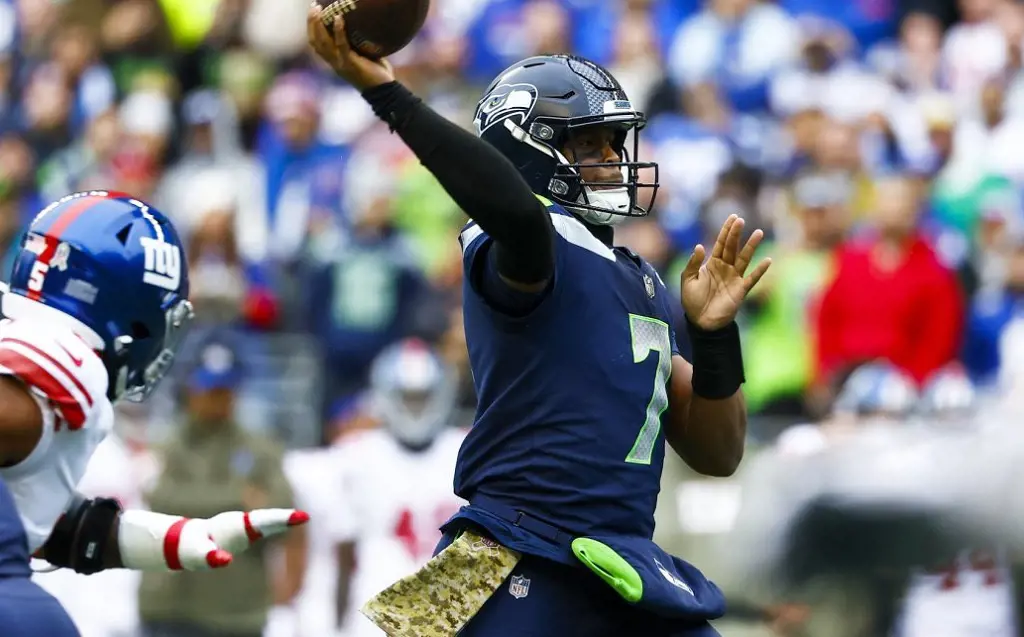
NFl fair catch kick allows a team to attempt a free kick from the spot of the catch
NFl fair catch kick allows a team to attempt a free kick from the spot of the catch( Source : twitter )

NFL free kick after fair catch is made from the line of scrimmage on the play. If the ball passes the upright, the kicking team scores three points.

The fair catch rule is a rule that allows a team who made a catch to attempt a free kick from where the ball was caught. It is mainly the professional who had high school level of American football.

The kick attempted after the catch should be either a place or dropkick, and if it passed between the goalposts or over the crossbar of the opposing team it'd work for three points.

Before the kick, the opposing team must line up at lead 10 yards beyond the spot of the ball. A kicking tee cannot be used at a professional level. However, tee up to two inches can be used at the high school level.


NFL Free Kick Rules

NFL free kick rule after safety states that the defensive area line for the kicking team is the 20-yard line. It is based on Rule 6, Section 1 Article 2.

The dropkick, placekick, or punt are used for the safety kick. The other states that if the team attempts an outside kick, the ball must move ten yards before being touched by the kicking team.

It would make the 30-yard line the defensive line where the ball can be recovered without the receiving team having to touch the ball.
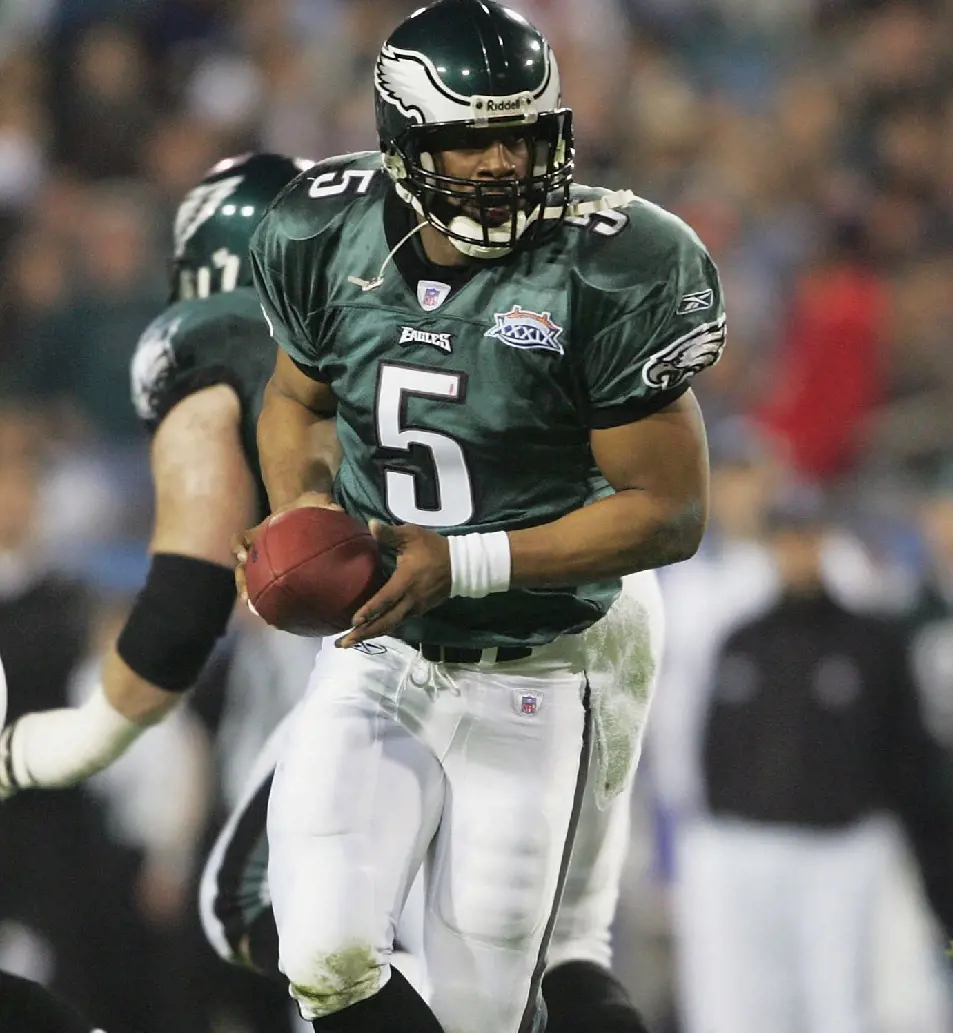
The defensive area line after safety is 20-yard white for free kick is 35-yard
The defensive area line after safety is 20-yard white for free kick is 35-yard ( Source : twitter )

According to Rule 10 Section 2 Article 2 Item 5, until the ball touches a teammate or an opponent, one who makes a valid or invalid fair-catch signal is forbidden from initiating contact or blocking with a team player.

The major difference between a safety and a free kickoff is that the kicker cannot use a tee, and the kick occurs from 20 yards for safety.

Most of the team chooses to punt the ball rather than use a holder to kick off or do a drop kick.

Here are some of the rules for NFL free kicks:

  • The free kick does not start with a snap, as is commonly done on a typical offensive or special team play.
  • The defensive area line for the kicking team to kick off should be its 35-yard line. The line for the receiving team should be 10 yards before the kicking team's restraining line.
  • The kick must go through the uprights for a free kick field goal, and the kicking team will score 3 points.
  • All kicking teams (Team A) other than the kicker should be lined up and remain in their positions no more than 1 yard behind their restraining line.
  • The least 5 kicking team players must be seen on each side of the ball, and two must be lined up outside the yard-line number and two between the inbounds lines and the yard-line numbers.
  • The fair-catching team might still attempt the kick even if the time expired on the preceding play.
  • A free kick ends when either team possesses the ball or the ball is dead if that precedes possession. A running play begins when the receiving section establishes possession of the ball.

Some Of The Free Kick Fouls
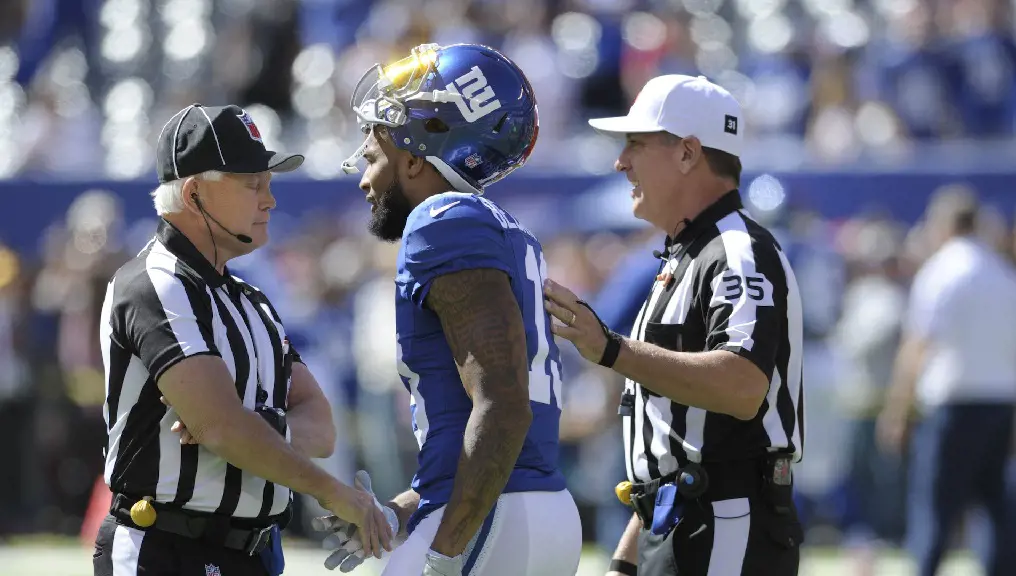
Football officials and referee mark the fouls in the game
Football officials and referee mark the fouls in the game ( Source : twitter )

  • Unless the ball is legally touched, a kicking team player cannot use his hands or arms against the opponent between the restraining lines.
  • No player on the receiving team can initiate a block against the kicking team in the 15-yard area between the kicking team and 5 yards behind the receiving team unless the ball is touched.
  • After legally touching the ball, players initially lined up in the setup zone can make a double-team block.
  • For illegal blocking or use of hands by the team is the loss of 10 yards, while for an unlawful double team block, the team has the loss of 15 yards from the spot of the foul.
NFL Fair Catch Interference Rule

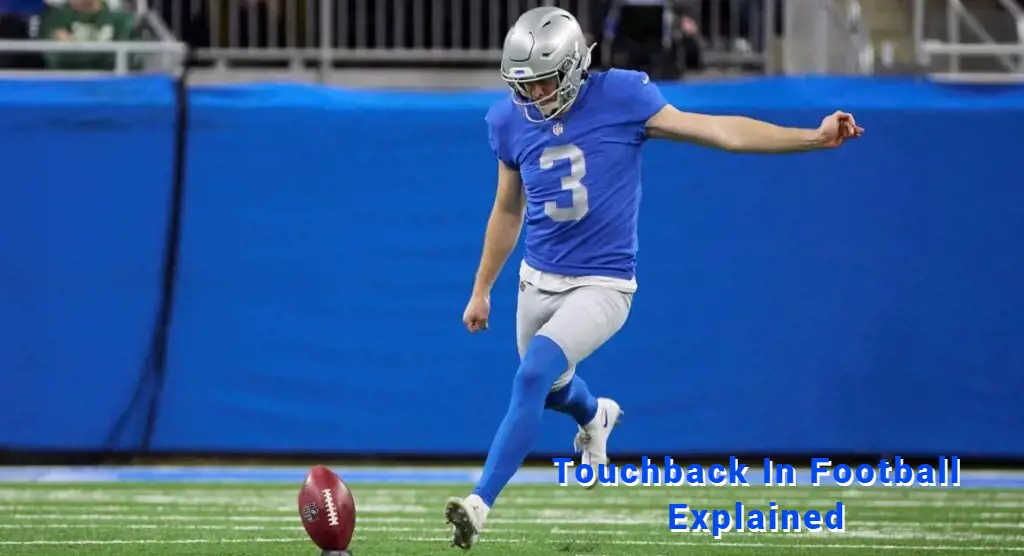
Fair Catch interference rule in NFL is valid if it is made when the kick is in flight by a player who extends his arm above his helmet and waves it from side to side.

The fair-catch kick point is similar to a field goal, i.e., 3 points.

The other rules for a fair catch in NFL are:

  • A receiver can legally raise his hand to protect his eye from sunburn but cannot raise them above his helmet except to single for a fair catch.
  • The ball is dead when recovered or caught by the receiving team and is not termed a fair catch. However, if it touched an opponent before or after it struck the ground, the ball is not dead.
  • The kick is ignored and is termed neither valid nor invalid when a catch signal is given behind the line of scrimmage during a scrimmage kick.
  • The player who nodded for catch must have an opportunity to catch the muffed ball before it touches the ground without interference by kicking team members after the valid catch signal.
  • An intentional muff forward before a catch to gain ground is an illegal bat.
  • A player who makes an invalid or valid fair-catch signal is prohibited from initiating or blocking contact with a kicking team player until the ball touches a teammate or an opponent.

When Did The Fair Catch Rule Start In The NFL?

The fair catch started in NFL in the 1920s. It has been in the NFL rulebook since the league's inception.

However, it initially originated in rugby football. A similar rule in rugby allowed a player who had a fair catch of a ball to get a chance for a free kick from the spot of the catch.

It has rarely been invoked and is also one of the rare players in football as a unique set of circumstances are required for a caught kick to be a viable option.

Out of 26 records for catch-kick attempts, only six were successful, and all five known attempts in exhibition games were unsuccessful, per Wikipedia records.

Curly Lambeau from the Green Bay Packers was the first successful player for a fair catch kick in NFL history in 1021. The last successful attempt was in 1976 by San Diego Chargers Ray Wersching.

The last unsuccessful attempt was by Joel Slye of Caroline Panthers on October 13, 2019. He missed a 60-yard catch kick wide right.

NFL's (2023) rulebook clearly states that the catch kick is not a free kick, considering the fair kick is distinct. Despite this, reporters at both levels describe the catch kick as a free kick.

NCAA Fair Catch Rule On Kickoff

Fair catch on kickoff in college football is the same as NFL and NFHS rules. However, it doesn't have a fair catch option.

In NACC, a fair catch from a kickoff that is caught between the receiving goal line and its 25-yard line is a touchback. In 1950, they abolished the catch, but in 1951 NCAA reinstated it with a catch option.

Later in 2018, NCAA adopted a new rule and said that Collegiate kickoff returners may indicate a catch or an unmoving catch, in which case the kick returner is not permitted to be tackled.

To be considered a fair catch, the ball must be taken inside the 25-yard line of the returning team. The catch is a grab that results in a touchback if it is made, and the offense then kicks off from the 25-yard line.

The regulation was put in place to protect return players on kickoffs by enabling teams to elect a catch and pick up play at the 25-yard line.

In the end, it keeps the game safer and encourages the longevity of receivers, even though it may not be as exciting as watching a returner bob and weave through tackles.

Related post of Quick Learn