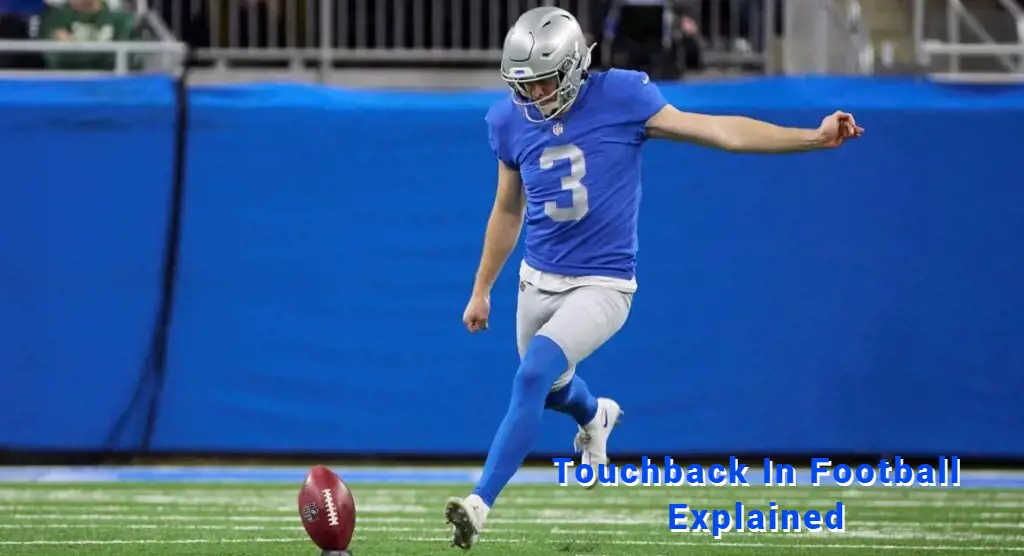
Touchback In Football
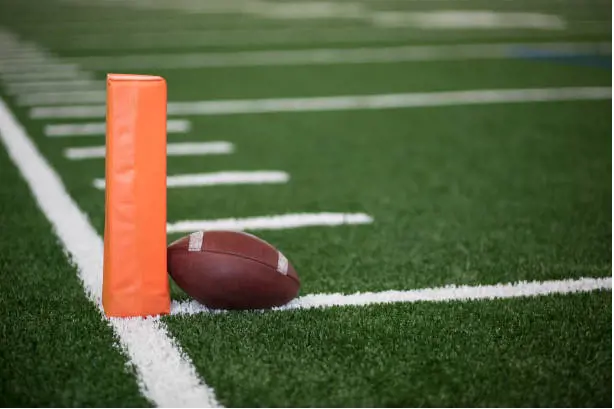
A touchback in American football is when the ball becomes dead on or behind the byline a team is defending.
A touchback signals the automatic start of an offensive drive at the 25-yard line whenever the ball exits the field through the end zone of a team's opponent on a previous play.
When a ball leaves the field of play via the end zone, there is no way to detect it; hence the decision is necessary.
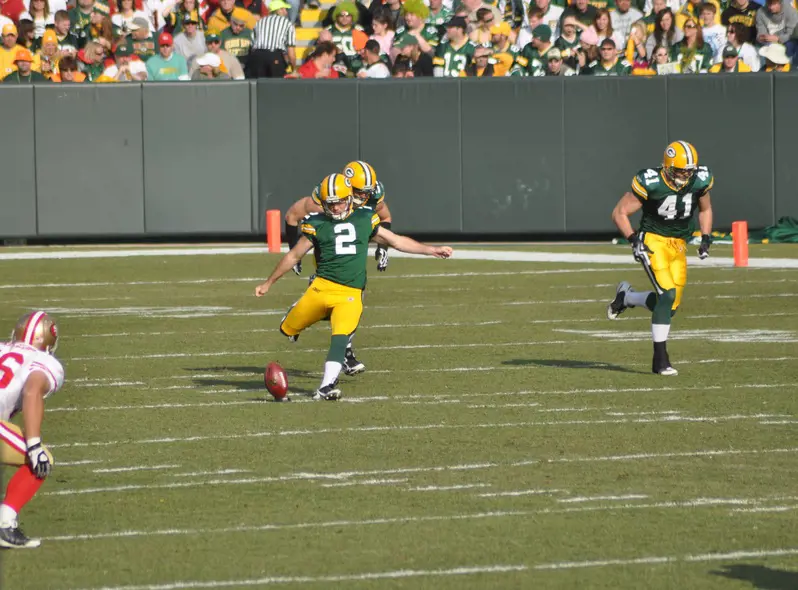
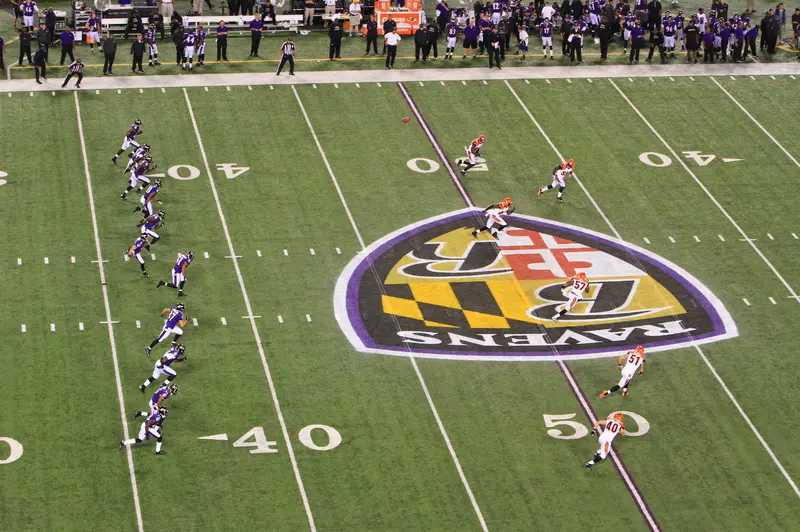
The attempt to get the ball as deep into the opponent's territory as possible during kicking plays, pinning them there and doing their uphill climb that much steeper. It will frequently backfire and end up in the end zone, resulting in a touchback. This play is familiar to most fans and is commonly seen during kicking plays.
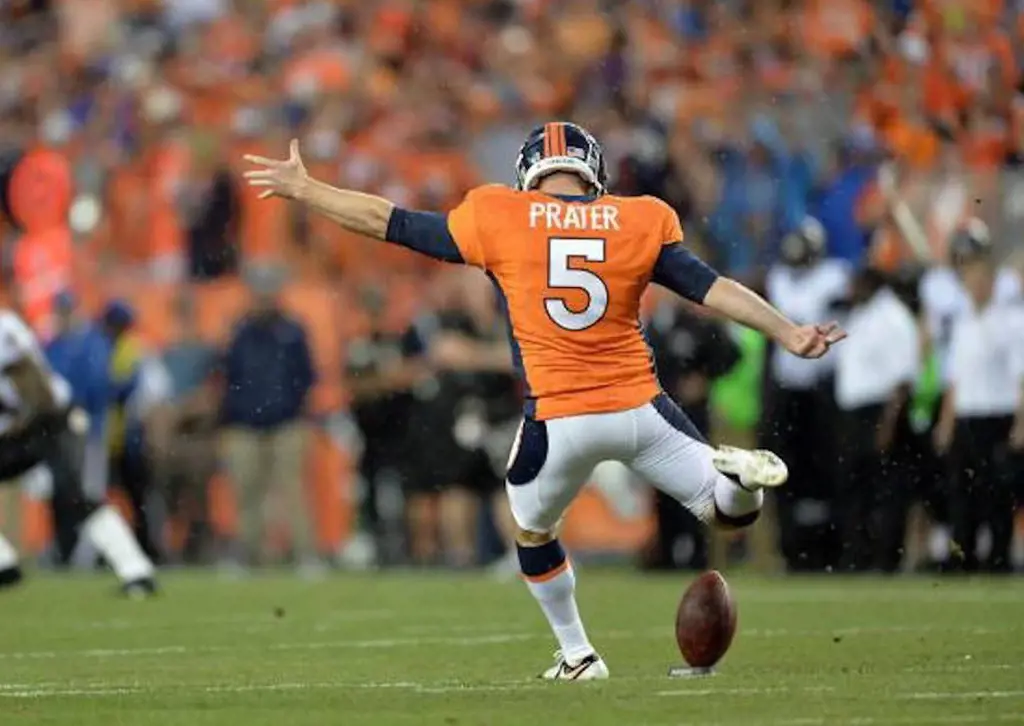
Since the 2018 campaign, kickoffs that result in a fair catch by the receiving club between its 25-yard and goal lines are also given the ruling in college football.
The outcome of a touchback is that the team whose endzone the ball got dead gains control of the ball and, depending on the circumstance, begins to play with a first down at their own 20- or 25-yard line.
The decision is intended to accomplish two goals. One is to establish a safe environment for the recipient first. For instance, letting the decision after a reception in the end zone prevents the opposing defense from diving straight into them.
Secondly, teams can aim to keep the clock running as long as possible to win a game. If you can call the ruling or let the ball roll out of the goal line on a kick, the time does not run.