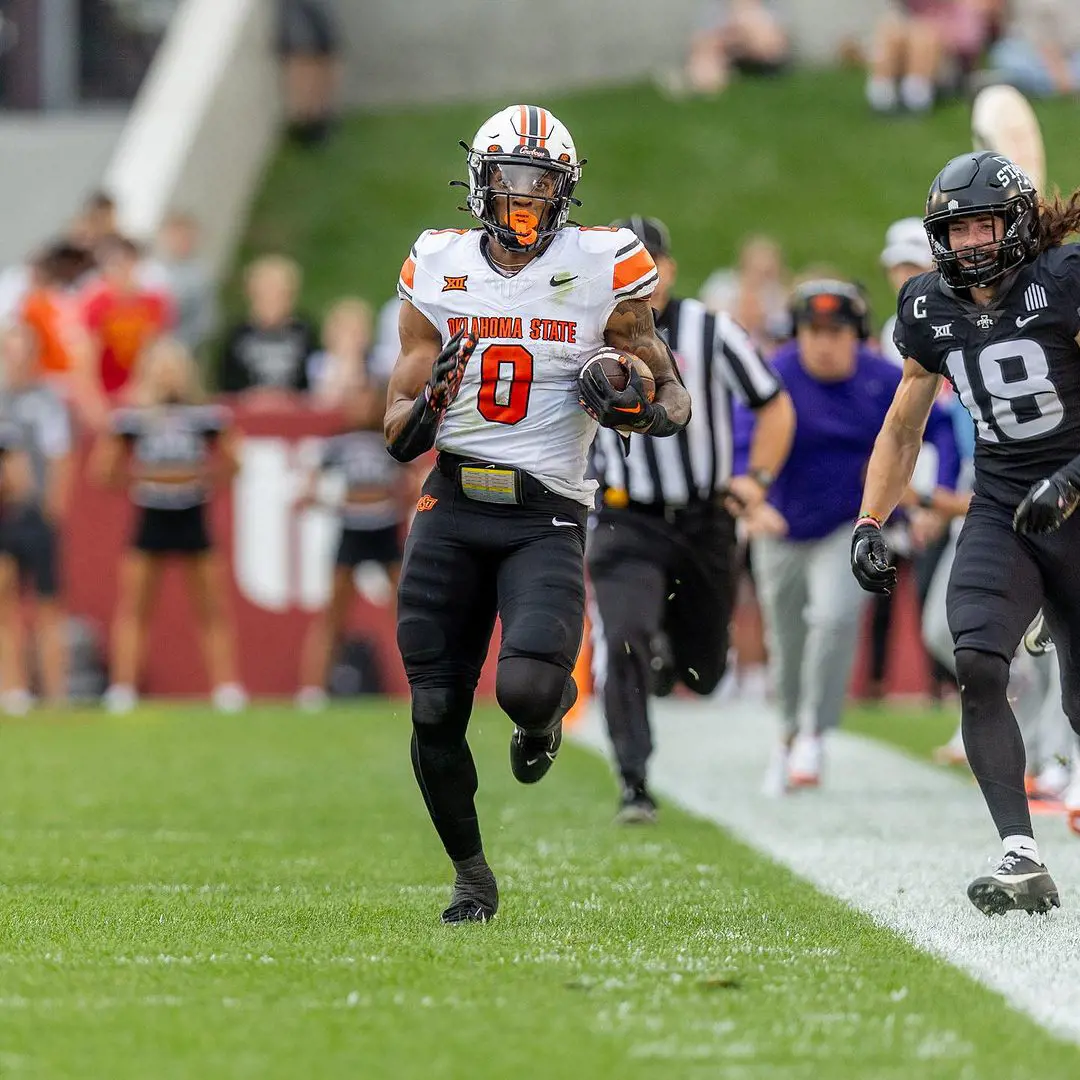
Interception Return For Two Point Conversion In College
2 point conversion interception return college is much less as compared to around 40% success rate of the 2PT attempts from the offense.
The two-point attempt is a play in gridiron football where the team that has just scored a touchdown runs from scrimmage nearer to the goal line of the defensive team advancing the ball across the goal line as if they were scoring a TD.
If the team succeeds in the play, they will be awarded an extra two points and added to six points from their touchdown. If not, no additional score will be given.
The defensive team can intercept the two-point attempt while the offensive team advances to the play-through fumble or interception and returns the ball to the opposite end zone to gain two points. This is called interception return for 2PT attempts.
But if the defender who intercepted the ball is tackled on the way before the player reaches the opponent's end zone or fumble, no additional points will be awarded to the defensive team.
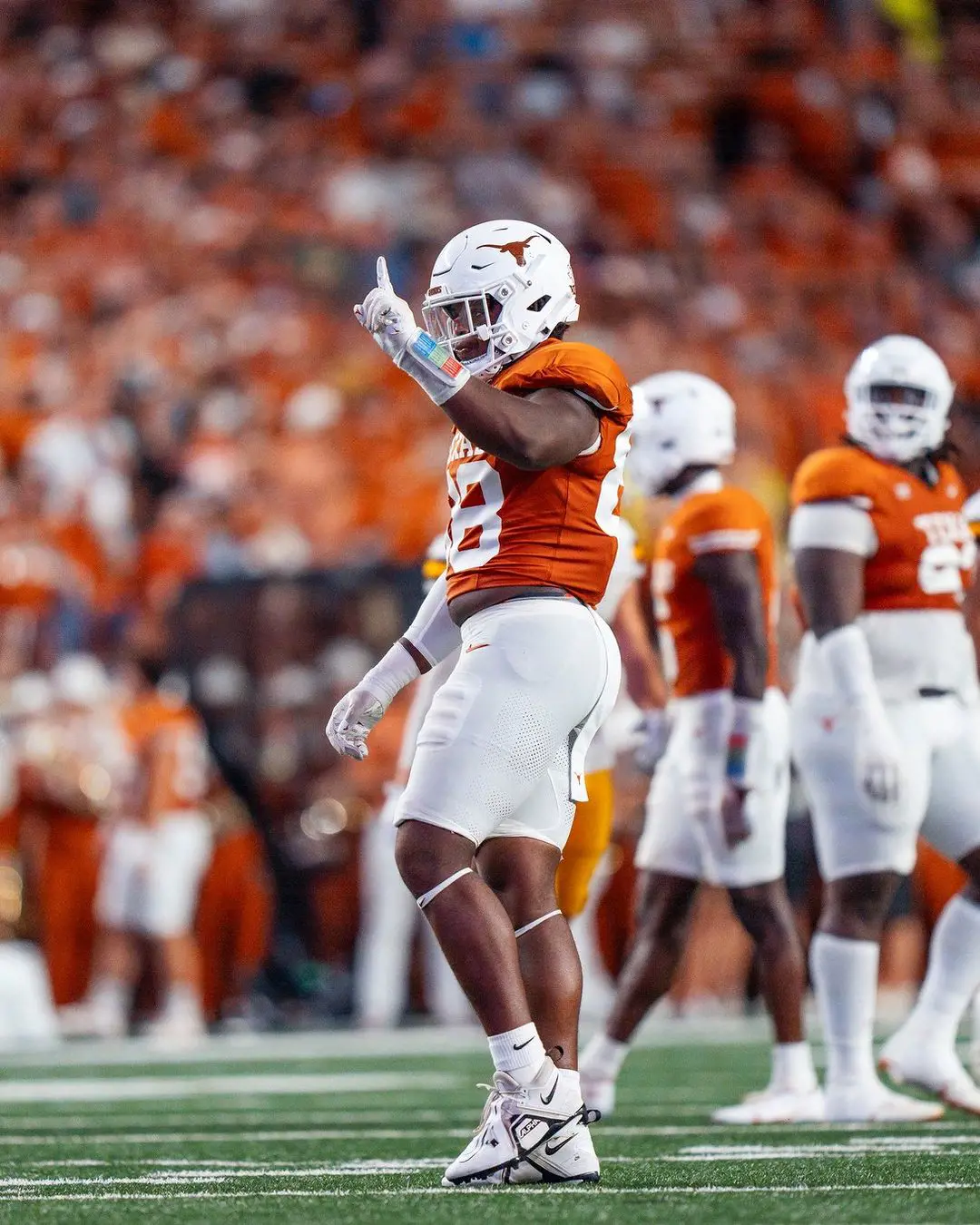
One Point Safeties in NCAA
There is also a rare chance of conversion safeties on one-point or two-point attempts in college. This occurs when the offense advancing for the shot is tackled in their own end zone.
The occurrence has a high chance in college football given their closer goal line as compared to the NFL. Although the chances are high, there have been fewer interception returns for safety shots that have only been recorded twice since 1996.
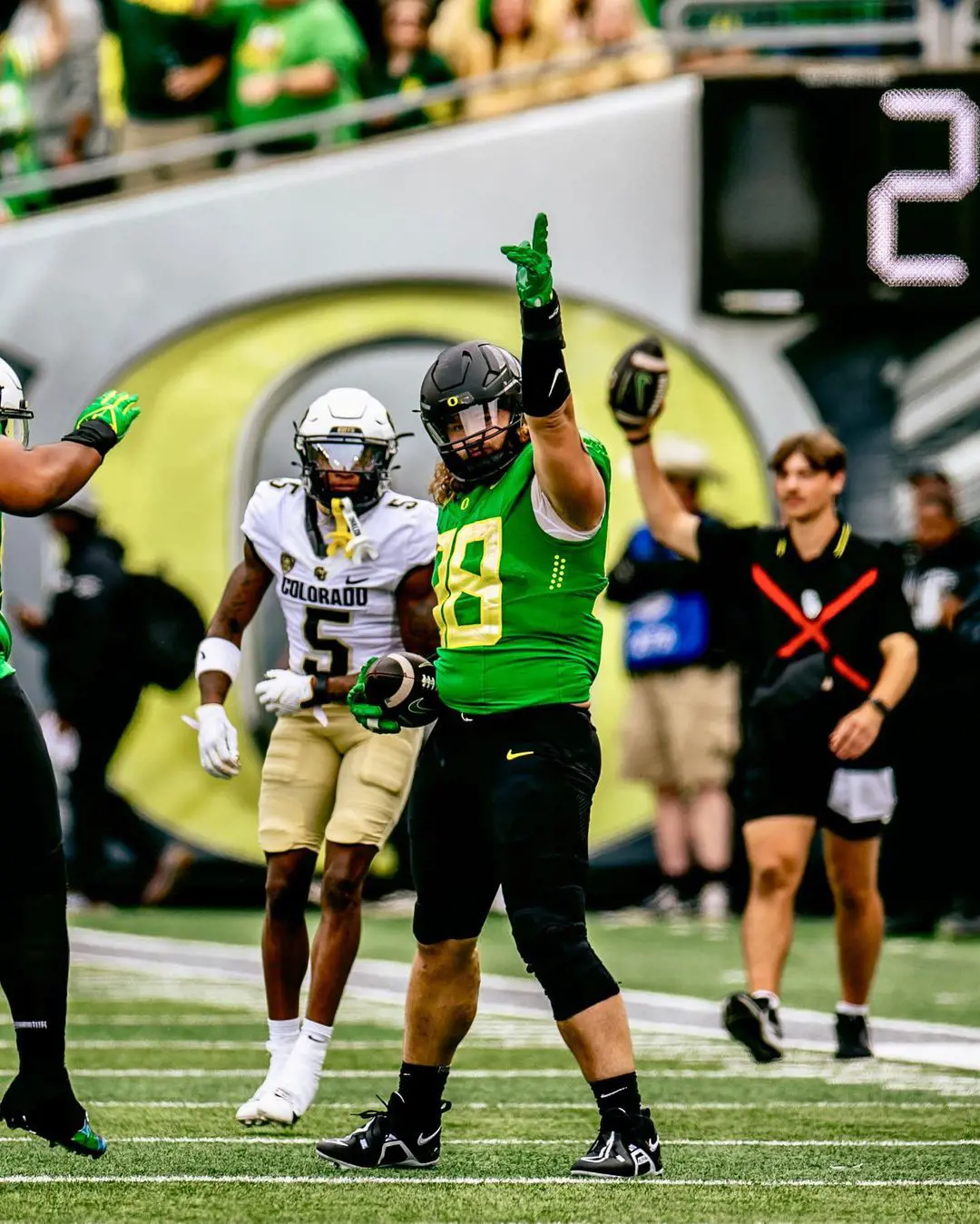
The most recent was recorded on the 2013 Fiesta Bowl on 3 January of the same year when the Oregon Ducks were playing against Kansas State. The Ducks' kick was blocked after a TD in the third quarter and was recovered by a Kansas State player who ran the ball to his own end zone.
When he passed the ball to his teammate, the co-player was tackled in the endzone and the Ducks were awarded the convert of safety.
Another similar incident occurred when Texas was playing against Texas A&M; in a regular season game on 26 November 2004 where Texas was awarded the point.