Quick Learn

College Football Fair Catch Punt Rules And Onside Kick

By Ashish Chamlagain / 9 October 2023 07:44 AM

( Source : instagram )

College football fair catch punt rules state that the returner must be given a 1-yard "halo" to grab the football as soon as he waves his hand.

Per Section 2, Article 1 A of the rulebook, it is an unhindered grasp of an airborne scrimmage kick that has crossed the line of scrimmage or of an airborne free kick by a player of the receiving team who has given a valid fair grab signal.

In college football, whenever a player calls for the clench, this will start the drive on the 25-yard line meaning the the returner must grab the football remaining within the 25-yard line.

The regulation was adopted in 2018 at the collegiate level while it has prevailed for a long time in the NFL. To call for the application there is a signal a returner must give.

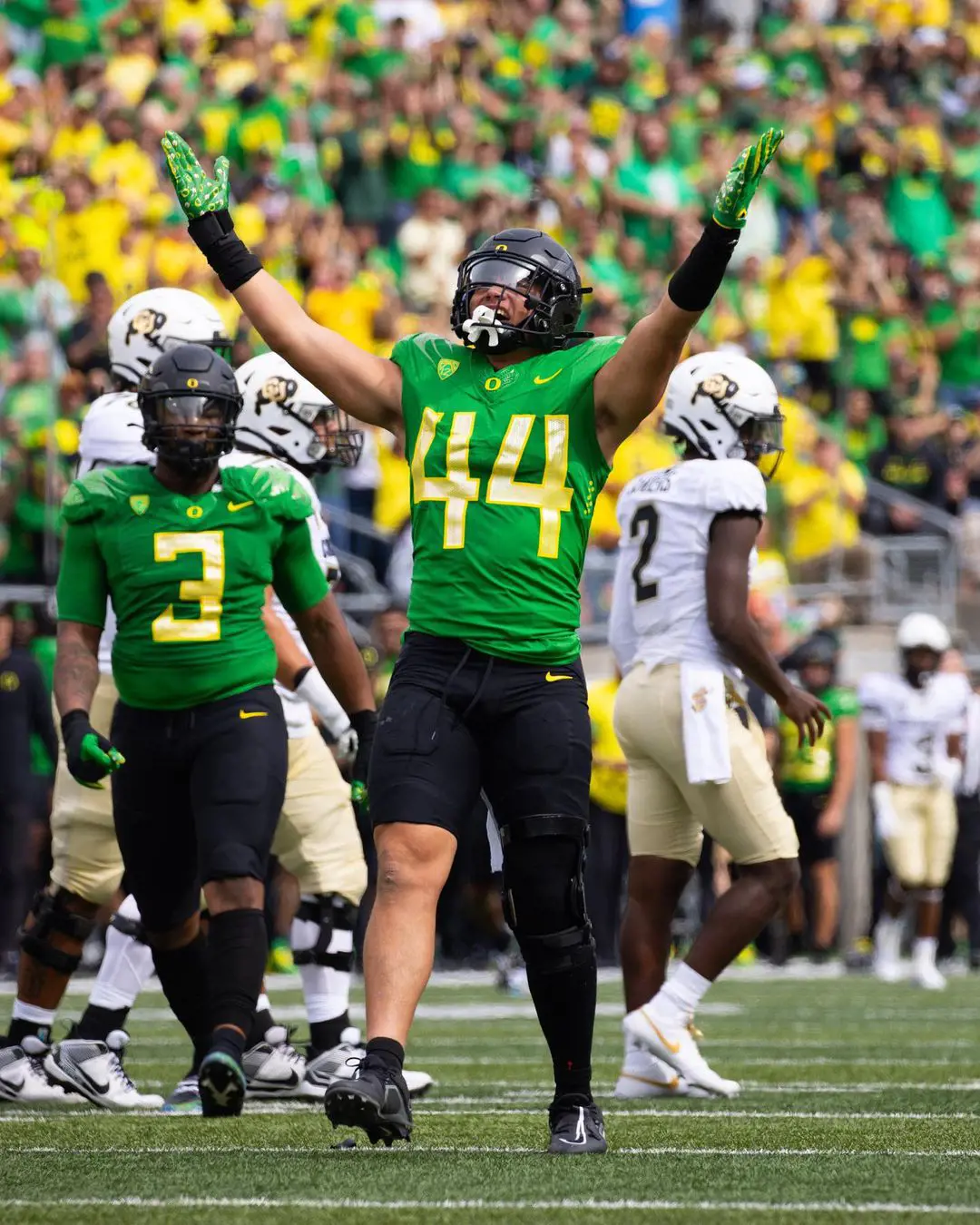
The primary function of the signal is to protect the player from being tackled while trying to receive the ball. The player who wants to go with the signal must raise their hands above their head and must move it back and forth clearly so that the referee can distinctly separate whether the player is calling for the signal or not.

The rule was implemented keeping in mind the danger of the football game. If the referee fails to see the signal or misses it then the player can be exposed to a massive hit.

College Football Fair Catch Rule Change

New Fair Catch Rule in college football says that a receiver can now grab the ball remaining anywhere between the goal line and the 25-yard line.

The implementation came in for the safety of the players as a primary concern and was thus adopted giving a final touch in the 2018 season. Actually, the NCAA abolished the provision in 1950 but again got it reinstated later in the 1951 season.

This allows a player of the receiving team to receive the ball without being tackled or interfered with by the players of the kicking team. Once the player receives the ball it is immediately considered dead and the player can not advance the ball any further.

The drive is initiated by the receiving team right at the spot where the ball was received or caught.
( Source : instagram )

No Fair Catch Punt Return

Fair Catch is allowed in Punt Return as well. The ruling is similar where a player can grasp the ball without any interference from the opponents.

This can be simply performed by raising a hand to indicate that will eventually down the ball at the same spot where he has caught the ball.

The directive is very important to ensure the safety of the receiver. He has to be attentive towards receiving the airborne ball and cannot look for the opponents approaching him.

He is not even in the position of protecting himself from the tackle and is likely to face injury and impact by the hit of the opponent.

Besides, this ruling prevents a punted ball from rolling towards the receiving team's goal and downing it deep in the team's own territory.
NCAA Football Fair Catch On Kickoff

In NCAA Kickoff can be caught between the goal line and the 25-yard line and can be treated as a touchback. The ball will be put on the 25 for offense.

The committee approved the amendment with the motive of increasing the number of touchbacks in football during kickoffs. This is possible when a number of reduced injuries causes an increase in the number of touchbacks.

The introduction has surely changed the team's approach for the kickoff. NCAA has adopted the touchback provision since 2018. As per the adaptation, whenever the aforementioned grasp occurs anywhere inside the 25-yard line on a kickoff, a touchback will be named.

The ball thus caught will be placed at the 25 for the offense to call the drive. Unlike, the NCAA, the NFL, and the NFHS have a provision for a fair grab kick from the place where the ball was caught. The act is performed rarely and is considered to be an obscure rule.

( Source : instagram )

Scrimmage Kick and Free Kick Capture

Such a grasp of a scrimmage kick is a hold of a ball by a player of Team B beyond the neutral zone who has made a valid signal during the scrimmage kick untouched beyond the neutral zone.

Similarly, the hold of a free kick is when a player of Team B during an untouched free kick has made a valid signal calling for the grab.

A valid signal is a sign given to the player of Team B with true intention by extending his hands above the head and side to side waving of his hand.

The signal is considered invalid if the player is giving any kind of waving signal to the referee. The signs will be declared invalid if it doesn't meet the above conditions, or if the signal is given after the scrimmage kick is caught beyond the neutral zone strikes the ground, or touches another player beyond the neutral zone.

The invalid signal will also be given after a free kick is caught, strikes the ground, or touches another place.

Can You Call A Fair Catch On An Onside Kick?

Onside kick fair catch rule explains that the catch can be called on an onside kick, but only as long as the ball does not touch the ground.

Once the ball hits the ground no more fair holds can be claimed. To claim this the member of the opposite team must raise his one hand above the head and move it side by side while the kick is in the flight.

The receiver can also shield his eyes from the sun raising his hand no above his helmet and the rule is considered legal by all means. The player who has called the hold can not be tackled or interfered with by the opponent team while catching the ball.

The Penalty is 15 yards from the spot of foul and the grab is awarded to the player. It is not necessary that the same player who signals the hold should receive the ball.

( Source : instagram )

Oklahoma State vs. Texas Tech

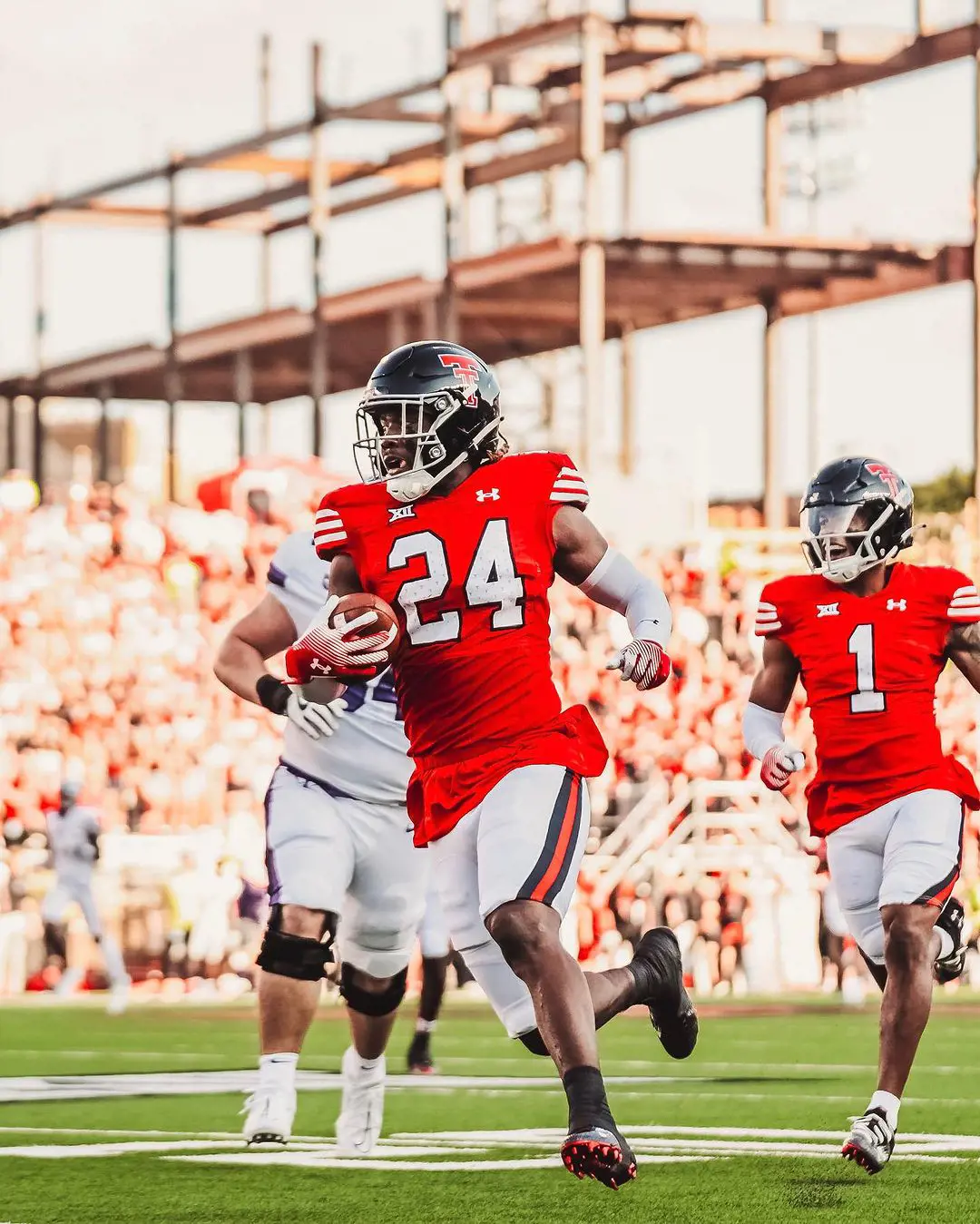
Oklahoma State was playing against Texas Tech in 2022 when Oklahoma State's defensive back Demarco Jones ruined the Tech's onside kick by calling the grasp.

After the Tech scored a touchdown in the opening drive and decided to surprise the State's players with an onside kick. Texas Tech executed the play perfectly and got the ball back.

But that did not last long. The officials caught Jones raising his arm above his head calling out for the grasp. During that time, the ball was bouncing towards him.

Since Tech had already recovered the ball, when Jones was awarded the claim, it seemed like the opponent had interfered with the claim hold. This penalized the Red Raiders for interfering kick grab.

As a result of this, Oklahoma State got free 10 yards and also the ball and had their drive started at Tech 34. The move is often considered a genius.

Can You Fair Catch A Kickoff In The NFL?

Yes, you can fair catch a kickoff in the NFL. The possession after the hold begins at the team's 25-yard-line and is applicable even if kicked short of the end zone.

This is the newest introduction by the National Football League in the field of such rule. In the previous directives, it was mentioned that the player had to return the ball and get himself at risk of tackling short on the 25-yard line.

Although the regulation will definitely favor the returning team more than that, the safety and well-being of the players were considered and adjustments were made accordingly.

Above how much these points benefit the returning team, the health and safety concern of the players seems to have driven the NFL officials while implementing the new changes.

( Source : instagram )

The team has projected that following the new changes will reduce the kickoffs by 7% which will in turn result in a 15% drop in the concussion rates of the players in that particular play.

During previous years, the play outside of the endzone was taken as the player received the ball at the spot of the grasp and it was not considered advantageous to call the hold during kickoffs.

The new change has brought the ball out of the 25-yard line which means more players will be calling for the play in this 2023 season.

There is also a provision for a Kick in the NFL related to the play and is rarely invoked. There have been several attempts of the fair hold kick in the NFL making Curly Lambeau the first player in the history of the League to successfully execute it for the Green Bay Packers in 1921.

NFL Fair Catch Interference Rule

The rule states that after a player has given a valid signal to have a hold of the kicked or punted ball, no player from the opponent team is allowed to tackle the receiver.

The receiver has the full right to have a clear way to hold the airborne ball before it hits the ground regardless of whether the ball hits an official or another player. He by all means shouldn't be tackled.

If the opponent team tackles or attempts to interfere with the receiver while the ball is still in the air, the team is subject to face the penalty. For the interference with the player's opportunity to get hold of the ball, the claimed hold will be awarded at the spot of the interference even if the ball is not caught.

( Source : instagram )

In such similar instance in a game between Oklahoma State and Texas Tech last season, Oklahoma State was awarded a free 10 yards and ball to start the drive.

It is also important to note that the signal given behind the line of scrimmage during a scrimmage kick is often ignored and neither considered valid nor invalid. If done so the claiming team will have to lose five yards from the spot of the signal.

But if the foul takes place in the end zone of Team B during a free kick, the previous spot will be chosen.

Related post of Quick Learn